A ”forever home” is more than a place you plan to stay. It’s a commitment. It’s where birthday heights get marked on a doorway, where the backyard slowly evolves with each season, and where repairs aren’t just quick fixes—they’re decisions that shape the next decade of your life.
Planning long-term improvements isn’t about chasing trends or renovating every room at once. It’s about making thoughtful upgrades that protect your investment, reduce monthly utility bills, and make everyday life easier. When you approach your home with a 10- to 15-year mindset, your decisions shift. You stop asking, ”What’s cheapest right now?” and start asking, ”What will still make sense ten years from now?”
Let’s walk through how to build that kind of plan.
Start With a 10-15 Year Structural Game Plan
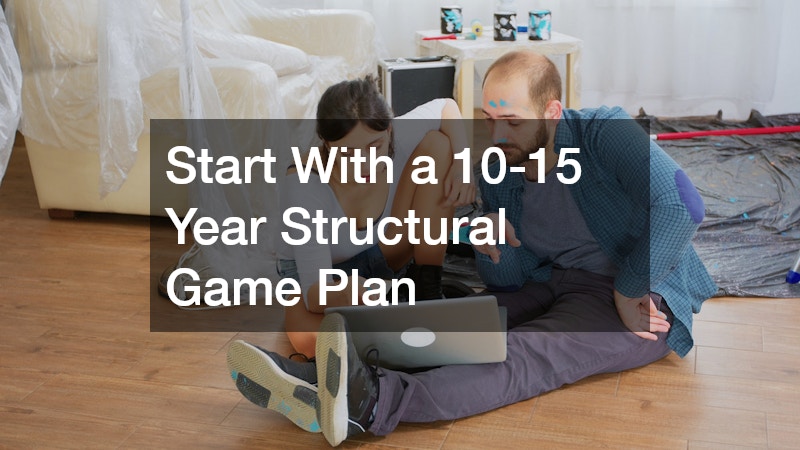
Before picking paint colors or dreaming about outdoor entertaining spaces, step back and evaluate what’s holding everything up.
Structural systems aren’t exciting—but they quietly determine whether every future improvement succeeds or fails.
Begin at the Top
Schedule an inspection with a qualified residential roofer. Even if your roof isn’t leaking, small issues like cracked flashing or minor underlayment wear can turn into expensive problems over time. A roof nearing the end of its lifespan can undermine insulation, drive up heating and cooling costs, and create moisture issues inside walls.
Ask:
- How many years remain on the current roofing system?
- Is ventilation adequate?
- Are there signs of trapped moisture in the attic?
It’s also wise to review past repair records and confirm whether previous fixes addressed root causes or simply patched symptoms. A thorough evaluation now provides clarity and negotiating power if future work is needed.
Getting answers now allows you to schedule future work intentionally rather than reacting during a storm.
Then Look Down
Foundation issues often creep in quietly. A hairline crack might not mean much today, but uneven settling can gradually affect plumbing lines, drywall, and window frames. If you notice doors sticking, sloped floors, or cracks widening over time, it may be worth consulting a professional about foundation repair before you remodel anything above it.
Pay attention to drainage patterns around your home as well. Poor grading or clogged gutters can accelerate soil movement and structural stress.
Imagine spending thousands updating a kitchen, only to discover that shifting beneath the house causes tile cracks a year later. Addressing structural stability first protects every cosmetic upgrade that follows.
When building your long-term plan, prioritize structural soundness in years 1-3. It may not be glamorous, but it creates stability for everything else.
Upgrade the Roof Before Interior Renovations
Many homeowners renovate inside first because it’s more visible. But replacing flooring or installing built-ins while the roof is aging can backfire.
Roof integrity directly affects energy efficiency. If shingles are deteriorating or curling, heat can escape in winter and penetrate in summer. Over time, that translates into higher utility bills and overworked HVAC systems.
If your roof is approaching 20 years old—or whatever the lifespan is for your material—consider planning for shingle replacement before major interior upgrades.
Think of it this way:
- A well-sealed roof improves insulation performance.
- Proper ventilation reduces attic temperatures.
- Reduced heat gain lowers cooling costs in summer.
- Stable interior humidity protects flooring and cabinetry.
Coordinating roofing upgrades with gutter improvements can also improve drainage and prevent water pooling near the foundation.
A homeowner once shared that they renovated their entire upstairs before replacing an aging roof. Within two years, a small leak stained new drywall and required partial demolition. The lesson? Protect the envelope of the home before beautifying the inside.
Prevent Water Damage With Smart Plumbing Planning
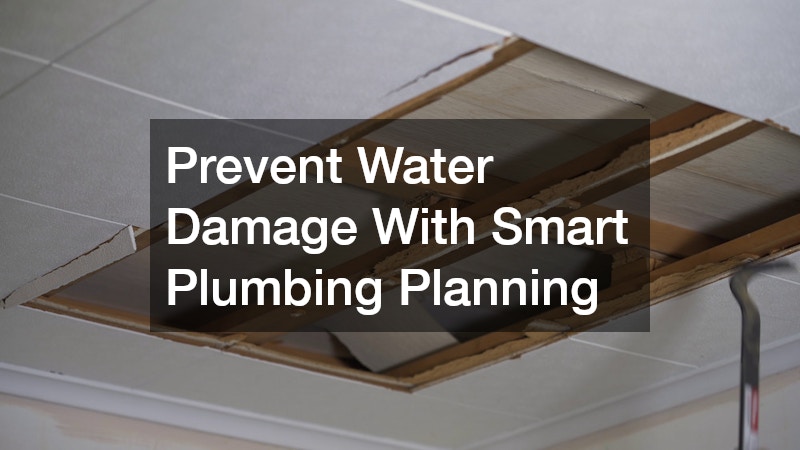
Plumbing problems are rarely dramatic at first. They begin as slow drains, occasional odors, or damp spots in the yard. But underground issues can quietly undermine your property.
Older homes, especially in established suburban neighborhoods, may have aging sewer systems made from clay or cast iron. These materials deteriorate or become infiltrated by tree roots over time.
If you’ve experienced recurring drain backups or unexplained soggy patches outside, it may be time for a camera inspection. A professional can determine whether repairs will suffice or whether sewer line replacement is the smarter long-term move.
While replacing a main sewer line sounds intimidating, it can actually:
- Prevent costly emergency excavations
- Reduce the risk of interior flooding
- Improve overall drainage performance
- Protect landscaping if coordinated carefully
Timing matters. If you’re already planning driveway repairs or landscaping upgrades, combining them with sewer improvements can reduce labor duplication and long-term disruption.
Proactive plumbing upgrades may not be visible, but they protect your home from one of the most expensive types of water damage—and keep monthly water bills predictable.
Make Bathrooms Safer and More Future-Ready
Bathrooms are often renovated for style. But in a forever home, safety and longevity matter just as much as aesthetics.
If you’re planning a remodel, think about how your needs might evolve over the next 15 years.
A few forward-thinking choices include:
- Curbless showers for easier access.
- Slip-resistant tile.
- Wider door frames for mobility.
- Reinforced walls for future grab bar installation.
Design choices can also influence water efficiency. Modern fixtures use less water while maintaining pressure, which lowers monthly bills.
When selecting enclosures, custom shower doors can improve both durability and daily functionality. Properly fitted glass reduces water leakage, protects surrounding materials from moisture damage, and simplifies cleaning. Over time, that means less mold, fewer repairs, and a bathroom that ages gracefully.
A bathroom remodel done with foresight isn’t just a cosmetic upgrade. It’s an investment in safety, accessibility, and long-term cost control.
Invest in Outdoor Spaces That Grow With Your Family

Outdoor living spaces often become the heart of suburban homes. They host birthday parties, quiet mornings, and spontaneous neighborhood gatherings.
But not all outdoor upgrades age equally well.
When planning hardscaping, durability and drainage should lead the conversation. Paver patio installation offers flexibility because individual pavers can be replaced if damaged, rather than redoing an entire concrete slab. Properly installed systems also allow water to move through joints, reducing runoff and minimizing erosion.
Before committing to a layout, consider:
- Where does water flow during heavy rain?
- Will tree growth alter shade patterns?
- Is there room to expand later?
Multi-use spaces often provide the best long-term value. A patio that supports dining, lounging, and future additions—like a fire feature—will adapt as your family grows.
Outdoor improvements also affect indoor energy use. Strategic shade structures can reduce heat gain through nearby windows, lowering cooling costs during peak summer months.
A thoughtfully designed yard isn’t just about curb appeal. It supports both lifestyle and energy efficiency.
Keep Wildlife and Pests From Undermining Your Investment
Suburban neighborhoods offer space and greenery—but they also invite unwanted visitors.
Rodents and other pests can chew wiring, damage insulation, and contaminate stored items. The key is prevention, not reaction.
Start with a perimeter walk each season. Look for gaps in siding, damaged vents, or openings around utility lines. Seal what you can, and consult local rodent control professionals for a long-term prevention strategy if issues persist.
Effective prevention might include:
- Securing crawl space vents.
- Installing chimney caps.
- Keeping firewood elevated and away from the house.
- Managing landscaping so shrubs don’t touch exterior walls.
Beyond structural damage, pests can impact energy efficiency. Damaged insulation or ductwork allows conditioned air to escape, driving up monthly heating and cooling bills.
Homeowners often underestimate how quickly a small rodent issue can escalate. One family discovered that attic insulation had been significantly disturbed, leading to higher winter heating costs before they even noticed the animals.
Routine inspections protect both comfort and finances.
Maintain Healthy Indoor Air and Clean Living Spaces

Indoor air quality affects comfort more than most people realize. Dust, allergens, and debris trapped in soft surfaces can circulate through HVAC systems and strain filters.
Rugs in high-traffic areas act like giant filters. Over time, they accumulate dirt that regular vacuuming can’t fully remove. Scheduling periodic professional care through a rug cleaning service can extend the life of flooring materials while improving air quality.
Consider how maintenance connects to utility costs:
- Clean surfaces reduce airborne particles.
- HVAC systems operate more efficiently with less dust.
- Filters last longer.
- Airflow remains consistent.
A simple annual deep-cleaning plan—paired with routine filter changes—helps maintain energy efficiency and protects indoor comfort.
One homeowner noticed that after a thorough deep clean, their home felt noticeably fresher and their HVAC system cycled less frequently. Cleaner air pathways allow equipment to work as designed.
Long-term improvements aren’t always dramatic renovations. Sometimes they’re maintenance habits that quietly save money year after year.
Plan Smart Yard Maintenance and Equipment Storage
If your property includes substantial lawn or landscaping, long-term maintenance becomes part of your improvement strategy.
For larger suburban lots, reliable tractors or riding mowers can reduce manual labor and improve efficiency. But purchasing equipment without planning storage and upkeep can create clutter and maintenance headaches.
Before investing, evaluate:
- Terrain size and slope.
- Storage space availability.
- Fuel and maintenance requirements.
- Frequency of use.
Proper storage—whether in a well-ventilated shed or dedicated garage bay—extends equipment lifespan. Keeping tools protected from the weather reduces corrosion and mechanical wear.
Efficient yard maintenance also impacts water usage. Well-maintained lawns and properly graded soil promote better drainage and reduce runoff issues, which can protect foundations and lower irrigation needs.
Long-term thinking transforms yard work from a seasonal chore into a manageable system.
Build a Long-Term Budget That Prevents Surprise Expenses

No improvement plan works without a financial roadmap.
Start by categorizing projects:
- Structural and safety (highest priority)
- Efficiency upgrades
- Exterior enhancements
- Interior renovations
- Cosmetic improvements
Assign rough timelines to each category. This approach prevents impulse spending on decorative updates while critical systems age unnoticed.
Efficiency improvements deserve special attention because they often reduce monthly bills. Installing water refiners, for example, can protect plumbing and appliances from mineral buildup. Over time, reduced scale accumulation improves water heater performance and extends the life of dishwashers and washing machines.
When appliances operate efficiently, they use less energy and require fewer repairs. That translates to consistent utility savings.
Track maintenance costs annually. Seeing trends on paper makes it easier to justify proactive upgrades rather than emergency repairs.
A long-term budget doesn’t eliminate expenses—but it replaces panic with planning.
Create a Phased Timeline for Stress-Free Improvements
Trying to do everything at once leads to burnout and financial strain. Instead, divide your long-term vision into manageable phases.
A common sequence might look like this:
- Years 1-3: Structural stabilization and major system updates.
- Years 3-6: Exterior improvements and drainage upgrades.
- Years 5-10: Interior remodels aligned with evolving family needs.
- Ongoing: Preventive maintenance and efficiency improvements.
Spacing projects out also allows you to live in your home between renovations and evaluate what’s actually working. After completing a major upgrade, give yourself time to experience it through different seasons. Notice how traffic flows during holidays. Pay attention to energy bills after efficiency improvements. Real-life use often reveals smarter adjustments than blueprints alone ever could.
Revisit your plan every three to five years. Life changes. Kids grow. Work situations shift. What felt urgent once may no longer matter.
Keep a simple home improvement binder or digital folder with inspection reports, warranties, and project notes. That record becomes invaluable when planning the next phase.
Most importantly, leave a margin—financial and emotional. Your forever home should feel like a sanctuary, not a construction zone. Sustainable progress, made steadily, will always outperform rushed transformation.
Moving Forward With Confidence

Planning long-term improvements isn’t about perfection. It’s about intention.
When you protect structural systems, prioritize efficiency, and pace renovations thoughtfully, you create a home that serves your family well into the future. Utility bills become more predictable. Emergency repairs become less frequent. Stress decreases.
Over time, each smart decision compounds. A stable roof protects insulation. Efficient plumbing safeguards interiors. Clean air supports comfort. Well-designed outdoor spaces extend living areas without increasing energy costs.
A forever home doesn’t happen overnight. It evolves—carefully, deliberately, and sustainably.
And when you look back ten years from now, you’ll see not just upgrades, but a home that grew wisely alongside your life.