
Home improvement projects often begin with excitement—fresh ideas, upgraded spaces, and the promise of a more comfortable lifestyle. But somewhere between the planning stage and the final walkthrough, things can go sideways. Budgets stretch, timelines slip, and results fall short of expectations.
For many suburban homeowners, the root problem isn’t a lack of effort—it’s a series of avoidable missteps. These mistakes tend to compound. A rushed decision early on can ripple through every phase of the project, creating unexpected costs or long-term issues that are harder to fix later.
The good news is that most of these pitfalls are predictable. With the right approach, you can sidestep them entirely and turn your renovation into a smoother, more rewarding experience. Even small adjustments—like asking one more question before hiring a contractor or double-checking measurements—can make a noticeable difference in the outcome.
Skipping Proper Planning Before Starting Any Project

One of the most common mistakes homeowners make is diving into a project without fully understanding what’s required. It’s easy to get caught up in design inspiration or urgency, but skipping early planning often leads to expensive corrections.
Take, for example, the importance of a building permit survey. Many homeowners assume permits are a formality or something a contractor will handle automatically. In reality, failing to secure proper documentation can halt a project mid-way or result in fines. Even worse, it can create complications when selling your home later.
Equally overlooked is how the land itself behaves. Suburban properties may appear flat and stable, but subtle elevation changes can cause water pooling or drainage issues. Without proper land grading, you might end up with foundation problems or landscaping that deteriorates quickly.
A more thoughtful approach involves slowing down before any physical work begins. Consider these foundational steps:
- Map out the full scope of your project, including hidden elements like drainage or electrical upgrades
- Research local regulations and timelines for approvals
- Walk your property with a critical eye, especially after rainfall, to understand how water moves
Planning may not be the most exciting phase, but it’s where the success of your project is truly determined. Homeowners who invest time here often avoid the most stressful and expensive surprises later.
Hiring the Wrong Professionals for Specialized Work
Not all home improvement tasks are created equal. Some require a level of expertise that goes beyond general contracting. Unfortunately, many homeowners underestimate this and hire based on convenience or cost rather than qualifications.
Electrical and climate systems are two areas where this mistake shows up frequently. Hiring a general handyman instead of a licensed electrician might seem like a budget-friendly decision, but it can lead to safety hazards or code violations. Similarly, working with an inexperienced HVAC company can result in inefficient systems that struggle to maintain comfort or drive up energy bills.
Choosing the right professional isn’t just about credentials—it’s about alignment with your specific project. Someone who excels at new installations may not be the best fit for complex retrofits. Communication style also matters more than people expect; a contractor who explains things clearly can help you avoid confusion throughout the process.
A smarter hiring process includes:
- Asking detailed questions about similar past projects
- Verifying licensing and insurance independently
- Requesting a clear breakdown of scope, not just a price quote
It’s worth taking extra time here. The right professional doesn’t just complete the job—they prevent future problems you may never see coming.
Ignoring Structural Foundations and Core Materials
There’s a temptation in home improvement to focus on visible upgrades—paint colors, fixtures, finishes—while overlooking what lies beneath. But structural integrity is what determines whether those visible improvements last.
Consider the role of concrete in your home’s foundation or outdoor features. Poorly mixed or improperly cured materials can crack, shift, or degrade over time. These issues often don’t appear immediately, which makes them even more dangerous.
Similarly, rushed or substandard drywall installation can lead to uneven surfaces, cracks, or poor insulation. While these might seem cosmetic at first, they often signal deeper issues with framing or moisture control.
A homeowner once shared how their newly renovated basement looked flawless—until six months later, when small cracks began to spread across the walls. The cause wasn’t the paint or finish, but shortcuts taken during the initial installation. Fixing the issue required reopening walls and redoing sections of the project entirely.
To avoid this kind of scenario:
- Prioritize quality over speed during foundational work
- Inspect materials before they’re installed, not after
- Schedule checkpoints during the build, especially before walls are closed
It’s easy to overlook what you can’t see, but that’s exactly where your attention matters most.
Overlooking Roof and Exterior Protection Needs
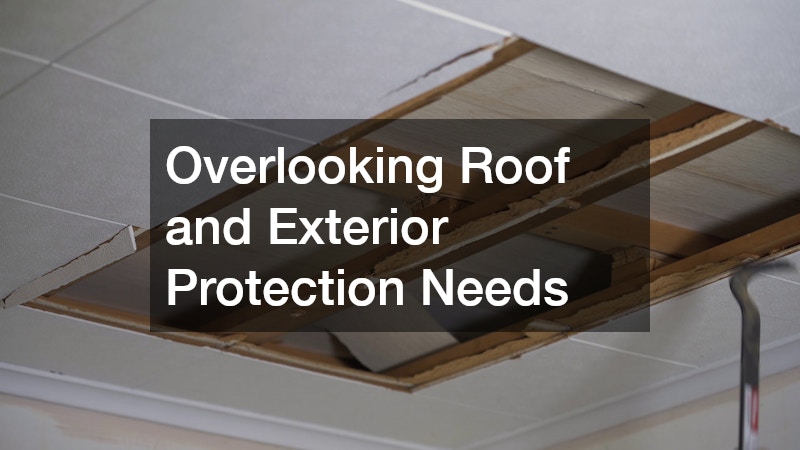
Exterior elements are your home’s first line of defense against the environment, yet they’re often treated as an afterthought. Homeowners may focus heavily on interiors while assuming the outside will “hold up” on its own.
Roofing is a prime example. Hiring an inexperienced roofer or delaying necessary repairs can lead to leaks, insulation issues, and even structural damage. What starts as a minor problem can escalate quickly, especially in areas with heavy rain or intense sun.
Fencing is another area where shortcuts show. A poorly installed vinyl fence may lean, warp, or fail to provide the privacy and security you expected. While it might look fine initially, improper installation often reveals itself within a year or two.
Instead of treating exterior upgrades as isolated projects, think of them as part of a larger system. Your roof, siding, and fencing all contribute to how your home handles weather and wear. When one element fails, it can affect others in ways that aren’t immediately obvious.
Practical considerations include:
- Scheduling exterior inspections before starting interior renovations
- Choosing materials suited to your local climate
- Ensuring proper installation techniques, even if it increases upfront costs
A strong exterior doesn’t just protect your home—it preserves everything inside it.
Forgetting About Safety and Maintenance Systems
Some of the most critical systems in your home are the ones you rarely think about—until something goes wrong. Renovations can disrupt these systems in subtle ways, especially if they’re not accounted for during planning.
For instance, neglecting to schedule a professional chimney cleaner before or after a renovation can lead to blockages or fire hazards. Dust, debris, or structural changes can affect airflow in ways that aren’t immediately obvious.
Similarly, modifying your home without consulting an HVAC company can interfere with ventilation or airflow. Adding new rooms, sealing spaces, or changing layouts can all impact how air circulates throughout your home.
A helpful mindset is to treat maintenance systems as active components, not background features. During any renovation, ask:
- Will this change affect airflow, ventilation, or exhaust systems?
- Are there existing systems that need inspection before work begins?
- How will ongoing maintenance be handled after the project is complete?
Taking these precautions ensures your home remains safe, efficient, and comfortable long after the renovation dust settles.
Failing to Future-Proof Your Home Upgrades
Home improvement isn’t just about meeting today’s needs—it’s about anticipating tomorrow’s. Yet many homeowners design upgrades based solely on current use, missing opportunities to prepare for future demands.
One increasingly common example is the installation of a home EV charging station. As electric vehicles become more popular, homes without charging capabilities may feel outdated sooner than expected. Adding this feature later can be more complicated and costly if the electrical system wasn’t designed with it in mind.
This ties directly into the role of a skilled electrician. Upgrading your panel or wiring during a renovation might seem unnecessary now, but it can save significant effort down the line. It also ensures your home can safely handle increased energy loads as technology evolves.
Future-proofing doesn’t mean overbuilding—it means thinking ahead in strategic ways. Consider:
- Whether your electrical capacity can handle future technologies
- If your layout allows for easy additions or modifications
- How your home’s systems will perform five or ten years from now
A little foresight can make your home more adaptable, efficient, and valuable over time.
Underestimating Site Preparation and Groundwork

Before any structure is built or installed, the ground beneath it must be properly prepared. Skipping or rushing this step is one of the fastest ways to undermine an otherwise well-planned project.
Improper land grading can lead to water pooling near your foundation, erosion in your yard, or uneven surfaces that affect everything from patios to driveways. These issues often develop gradually, making them harder to trace back to their source.
Concrete work is especially sensitive to site conditions. Without proper preparation, even high-quality materials can fail prematurely. Cracks, shifting, and drainage problems are all common outcomes of inadequate groundwork.
Instead of viewing site preparation as a preliminary step, treat it as a critical phase of the project. Walk the site with your contractor and ask specific questions about:
- Soil stability and drainage patterns
- Elevation changes and runoff direction
- Compaction and base preparation before pouring materials
Spending more time here can prevent structural issues that would otherwise require expensive fixes later.
Mismanaging Project Timelines and Budgets
Even well-planned projects can falter if timelines and budgets aren’t handled carefully. Many homeowners underestimate how long tasks take or assume everything will go according to plan.
Delays related to approvals, such as those tied to a building permit survey, can push back entire schedules. Weather, material availability, and contractor coordination all add layers of complexity.
Roofing projects offer a clear example. If a roofer is scheduled during a rainy season without contingency planning, delays are almost inevitable. These delays can cascade, affecting other parts of the renovation.
Instead of aiming for a perfect timeline, build flexibility into your plan. Think in terms of ranges rather than fixed dates, and allocate extra funds for unexpected costs. It’s also helpful to anticipate decision fatigue—making too many choices quickly can slow progress.
Some practical strategies include:
- Setting milestone-based timelines instead of rigid deadlines
- Tracking expenses weekly to avoid surprises
- Communicating regularly with all parties involved
A project rarely goes exactly as planned, but with the right mindset, it can still stay on track.
Taking On Complex Installations Without Proper Experience
There’s a certain satisfaction that comes with completing a home project yourself. But not every task is suited for DIY, and knowing where to draw the line is crucial.
Projects like drywall installation or building a vinyl fence may seem straightforward based on online tutorials. In reality, they require precision, experience, and the right tools to achieve lasting results.
A homeowner might spend a weekend installing panels or fencing, only to realize weeks later that alignment issues or structural weaknesses need professional correction. At that point, the cost often exceeds what it would have been to hire help initially.
A more balanced approach to DIY involves:
- Taking on cosmetic or low-risk tasks
- Consulting professionals before starting unfamiliar work
- Recognizing when expertise adds long-term value
DIY can be rewarding, but only when it’s applied in the right context. Knowing your limits is part of being a smart homeowner.
Neglecting Long-Term Efficiency and Performance
It’s easy to focus on upfront costs during a renovation, especially when budgets are tight. But decisions made in the moment can have lasting effects on how your home performs over time.
Working with a knowledgeable HVAC company can make a significant difference in energy efficiency. Proper system sizing, installation, and integration all contribute to lower utility bills and improved comfort.
The same applies to planning for a home EV charging station. Integrating it into your overall energy strategy—rather than treating it as an add-on—can help optimize performance and reduce strain on your system.
Instead of asking, “What’s the cheapest option right now?” consider:
- How will this choice affect energy use over time?
- Will this system need replacement sooner than expected?
- Does this upgrade align with long-term sustainability goals?
Efficiency isn’t just about saving money—it’s about creating a home that works better, longer.
Bringing It All Together for Smarter Home Improvements
Home improvement projects don’t have to be overwhelming or unpredictable. Most of the challenges homeowners face come down to a handful of common mistakes—ones that can be avoided with the right approach.
By prioritizing planning, hiring the right professionals, and thinking beyond the immediate project, you can create a smoother experience from start to finish. Each decision you make—whether it’s about materials, timing, or design—plays a role in the outcome.
A successful renovation isn’t just about the final result. It’s about the process that gets you there, and the confidence that your home is built to last.