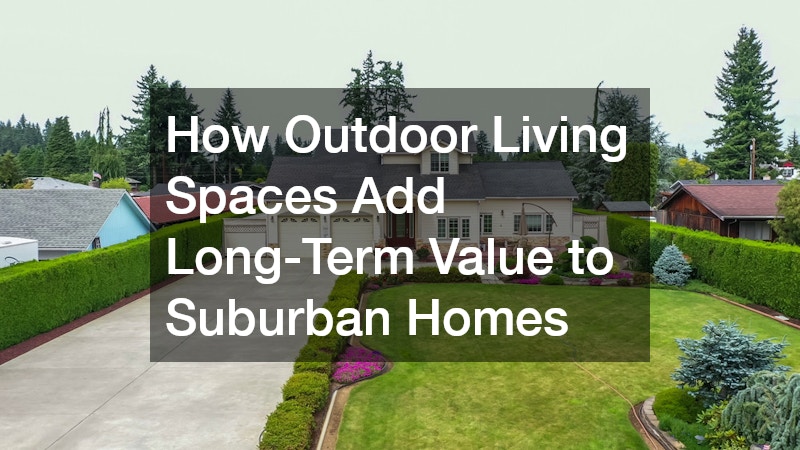
Outdoor living spaces have become an essential part of suburban homeownership. What was once limited to a small patio or basic backyard setup has evolved into fully functional extensions of the home, designed for relaxation, entertainment, and everyday use. These spaces are no longer viewed as optional upgrades but as meaningful contributors to a property’s overall usability.
Long-term value goes beyond resale price. It includes how well a home supports daily life, adapts to changing needs, and avoids costly issues over time. Thoughtfully planned outdoor spaces can reduce maintenance challenges, protect structural elements, and improve how homeowners experience their property year after year.
This article explores how outdoor living spaces add lasting value through smart design, structural planning, landscaping considerations, and ongoing maintenance. Each section provides practical guidance to help suburban homeowners make informed decisions that stand the test of time.
Designing Outdoor Spaces With Long-Term Use in Mind
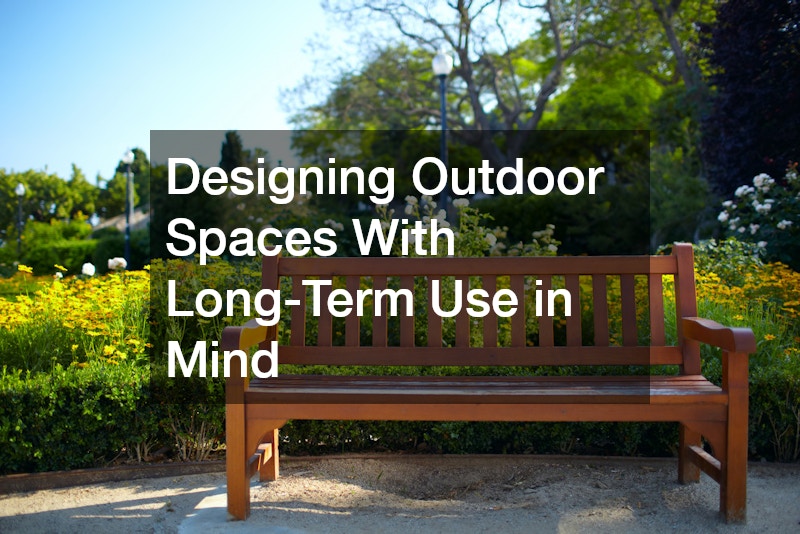
Planning an outdoor area for longevity starts with adaptability. Homeowners should think beyond current needs and consider how the space might be used five, ten, or even twenty years down the line. Features that support multiple functions—such as entertaining, quiet relaxation, or family activities—are more likely to remain relevant. A custom wood deck offers this kind of flexibility by providing a defined, elevated space that can evolve with changing lifestyles, furniture layouts, and accessibility needs.
Design choices should also account for how outdoor spaces connect with the rest of the property. Walkways, patios, and retaining features need to work together visually and functionally. Proper layout helps prevent drainage problems, uneven settling, and awkward transitions between areas. Working with a hardscaping contractor allows homeowners to plan surfaces, slopes, and materials that support long-term durability while maintaining a cohesive outdoor environment.
In addition to flexibility and layout, material selection is a key factor in long-term value. Choosing weather-resistant, low-maintenance materials for decks, patios, and walkways ensures that surfaces withstand the elements without frequent replacement. For example, properly treated lumber, composite decking, and durable stone or pavers can minimize wear and tear over time. Planning for these materials during the design phase also helps avoid costly upgrades later, allowing homeowners to enjoy their outdoor spaces without constant upkeep.
How Structural Additions Improve Property Functionality
Defining outdoor zones is a critical step in making a yard more usable. Clear boundaries help organize spaces for dining, play, storage, or relaxation while improving privacy and safety. Professionally installed fencing can also enhance curb appeal and neighborhood consistency. Experienced fence builders understand how to align designs with local regulations, property lines, and long-term material performance, ensuring the structure remains an asset rather than a liability.
Structural improvements often require coordination across multiple trades, especially when outdoor upgrades affect utilities, grading, or existing structures. Homeowners benefit from a big-picture approach that prioritizes durability and compliance. Residential general contractors help manage this complexity by overseeing timelines, permits, and integration between outdoor and indoor improvements, reducing the risk of costly rework later.
Another important consideration is the integration of utilities and lighting to enhance both safety and usability. Outdoor electrical outlets, lighting for pathways and seating areas, and irrigation systems can all be incorporated into the planning process. When fence builders and residential general contractors coordinate on these details, homeowners can create spaces that are not only visually appealing but also fully functional, reducing the need for retrofitted solutions that might compromise aesthetics or structural integrity.
Protecting Outdoor Investments Through Smart Landscaping

Landscaping decisions play a significant role in how well outdoor spaces age. Trees that once provided shade can become hazards if roots interfere with foundations or branches threaten structures. Strategic tree removal is sometimes necessary to protect decks, patios, and walkways from long-term damage caused by shifting soil, falling limbs, or excessive moisture retention near structures. Beyond safety concerns, removing or relocating problem trees can also improve sunlight exposure, air circulation, and aesthetic appeal, enhancing the overall usability of outdoor living areas.
Ongoing landscape care is just as important as initial planning. Routine trimming, disease management, and storm preparation help preserve sightlines, prevent debris buildup, and reduce wear on outdoor features. A reliable tree service can identify early signs of disease, structural weakness, or pest infestations, allowing homeowners to take preventative action. This proactive approach not only safeguards the health of the trees themselves but also prevents unexpected disruptions that can affect outdoor enjoyment and maintenance schedules.
Homeowners should also consider the long-term impact of plant selection and placement. Choosing tree and shrub species that grow at a manageable rate and planting them at safe distances from decks, fences, and gutters reduces the need for frequent pruning or emergency tree removal. Planning for seasonal maintenance, mulching around tree bases, and incorporating low-maintenance groundcovers helps maintain soil health, prevent erosion, and manage water runoff effectively. By combining proactive tree service with thoughtful landscaping decisions, homeowners protect their investment, create a visually appealing environment, and ensure that outdoor spaces remain functional and resilient for years to come.
Why Roofing and Outdoor Spaces Should Be Evaluated Together
Outdoor living areas are often directly affected by what happens above them. Roof issues such as leaks, damaged shingles, or improper drainage can lead to water runoff that damages decks, patios, landscaping, and even foundation areas below. Addressing roof repair early helps prevent moisture intrusion that can cause wood rot, mold growth, and structural weakening of outdoor features. Regular roof inspections allow homeowners to identify small problems before they escalate, ensuring that outdoor spaces remain safe, functional, and visually appealing over time.
Timing exterior upgrades strategically can also save money and minimize disruption. When roofing updates are coordinated with outdoor renovations, homeowners can ensure proper integration of drainage, flashing, and transitions between different surfaces. For example, extending rooflines, adjusting downspouts, or installing drip edges at the same time as a deck or patio project can prevent water from pooling in vulnerable areas. Consulting a roofing contractor during the planning phase helps identify potential conflicts early, allowing for a seamless approach that protects both the roof and the surrounding outdoor spaces.
Homeowners should also focus on the relationship between gutters, downspouts, and outdoor living areas. Properly functioning gutters direct water away from decks, patios, and landscaped beds, preventing erosion, soil saturation, and long-term structural damage. In addition to routine cleaning and maintenance, installing extensions or splash blocks where needed can further safeguard outdoor areas. Working with a roofing contractor to ensure that all water management components are properly designed, installed, and maintained not only protects the roof but also preserves the integrity and longevity of outdoor living spaces, enhancing both usability and long-term property value.
Managing Water Flow to Extend the Life of Outdoor Features
Water management is one of the most overlooked factors in the longevity of outdoor spaces. Improper runoff can erode soil, stain surfaces, and weaken structural supports over time, leading to costly repairs. Well-planned gutter services help channel water away from decks, patios, and walkways, reducing the risk of pooling, rot, and foundation damage. Homeowners should regularly inspect gutters for clogs, leaks, or sagging sections and ensure downspouts direct water at least several feet away from the home. Simple maintenance tasks like cleaning gutters seasonally or installing gutter guards can prevent water-related damage before it becomes a serious problem.
Beyond gutters, the roof system as a whole plays a critical role in protecting outdoor investments. Roof leaks or improperly sloped sections can divert water toward decks, patios, and landscaped areas, compromising the integrity of outdoor structures. Regular inspections by a roofing company help identify damaged shingles, flashing issues, and other vulnerabilities that may cause water intrusion. Coordinating roof repairs or replacements with outdoor projects ensures that all water is properly managed, reducing stress on surrounding structures and extending the life of outdoor features.
Homeowners can also incorporate landscaping and grading strategies to complement gutters and roofing systems. Properly graded yards ensure that water naturally flows away from decks, patios, and foundations, preventing pooling and soil erosion. Additional solutions, such as swales, French drains, or strategically placed gravel beds, can handle heavy rainfall or areas prone to water accumulation. By combining these approaches with ongoing gutter maintenance and roof care, homeowners create a comprehensive water management plan that protects every element of their outdoor living space. This proactive approach not only preserves functionality and aesthetics but also helps maintain long-term property value.
Increasing Appraisal and Buyer Appeal Through Outdoor Spaces
Outdoor living areas increasingly influence how buyers perceive value. Appraisers and potential buyers often look at usability, condition, and integration with the home rather than just square footage. A well-maintained outdoor space signals that the property has been cared for holistically, which can positively impact valuation.
Buyers also tend to evaluate outdoor spaces based on how easily they can envision themselves using them. Features that feel intuitive, low-maintenance, and well-proportioned help reduce hesitation during the decision-making process. When patios, decks, and landscaped areas feel like natural extensions of the home rather than separate projects, they reinforce the idea that the property has been thoughtfully planned. This emotional confidence can be just as influential as technical details, encouraging buyers to see the home as a long-term fit rather than a short-term compromise.
Key factors that boost buyer appeal include:
- Clear transitions between indoor and outdoor areas
- Consistent materials and design themes
- Evidence of long-term maintenance rather than short-term fixes
- Functional layouts that feel intentional rather than improvised
When outdoor spaces appear durable and thoughtfully designed, they contribute to a sense of move-in readiness that many buyers prioritize. Buyers are more confident in properties where patios, decks, and landscaped areas look well-constructed, maintained, and seamlessly integrated with the home. A cohesive outdoor environment signals that the homeowner has invested time and resources into care and planning, which reduces perceived risk for potential buyers. This perceived stability and quality often translates into higher offers, faster sales, and increased overall appeal, as buyers feel they are stepping into a home that is not only beautiful but also functional and ready for immediate use.
Maintenance Strategies That Preserve Value Over Time
Long-term value depends heavily on maintenance habits. Even the best-designed outdoor spaces can deteriorate quickly without regular care. Homeowners should adopt a proactive approach that focuses on prevention rather than reactive repairs.
Regular upkeep also helps extend the lifespan of all elements in your outdoor space, from decks and patios to fences and landscaping features. Homeowners should create a simple maintenance calendar that aligns with seasonal changes, including tasks like staining or sealing wood surfaces, pruning trees and shrubs, and inspecting roofing and gutter systems. Keeping detailed records of repairs and improvements not only helps track the health of the property but can also demonstrate to future buyers that the home has been consistently cared for, further enhancing long-term value.
Effective maintenance strategies include:
- Seasonal inspections of surfaces, supports, and drainage paths
- Cleaning debris that traps moisture against structures
- Addressing small cracks or shifts before they expand
- Scheduling professional evaluations for complex systems
Knowing when to repair versus replace is equally important for preserving long-term value. Small issues, such as loose deck boards, minor cracks in patios, or worn fence panels, should be addressed promptly to prevent larger, more costly problems. Timely updates, whether handled personally or by professionals, often cost significantly less than major repairs caused by prolonged neglect. Proactive decision-making not only protects the home’s structural integrity but also maintains its aesthetic appeal and overall property value.
Outdoor living spaces are more than visual enhancements; they are functional investments that influence how a home performs over time. When designed thoughtfully and supported by proper planning, these spaces enhance daily living while protecting the property from avoidable issues.
Long-term value comes from coordination—between design, structure, landscaping, and maintenance. Homeowners who view outdoor areas as integral parts of the home, rather than separate add-ons, are better positioned to enjoy lasting benefits.
By prioritizing adaptability, durability, and ongoing care, suburban homeowners can create outdoor living spaces that remain valuable, enjoyable, and resilient for years to come. Thoughtful planning and regular maintenance ensure these areas continue to enhance daily living while protecting the overall investment in the property.