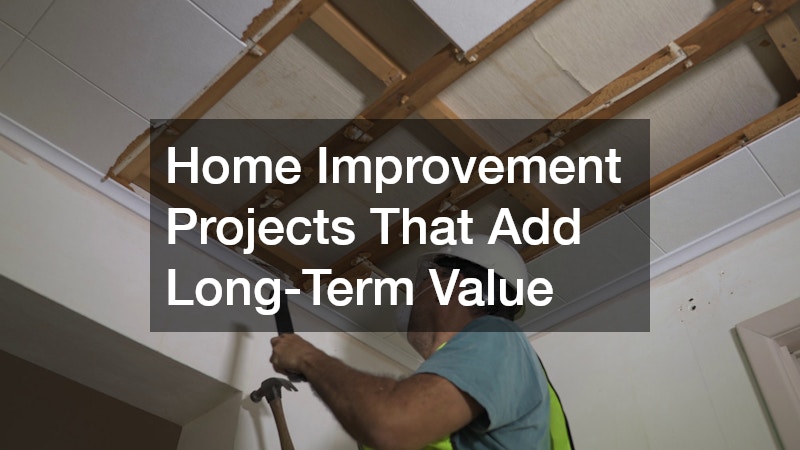
Home improvement projects can make a house more comfortable, more attractive, and more functional, but not every upgrade delivers the same long-term value. Some projects are mostly cosmetic, while others protect the structure, improve energy efficiency, reduce future repair costs, or make the home more useful for everyday living. For homeowners in suburban communities, the best improvements often combine practical benefits with strong resale appeal.
Long-term value does not always mean choosing the most expensive project. In many cases, it means choosing improvements that solve real problems, prevent damage, or make the home better suited for modern life. A refreshed kitchen may catch a buyer’s eye, but a reliable roof, updated electrical system, efficient heating and cooling, and safe exterior conditions can be just as important. Buyers often look for homes that feel move-in ready, safe, and easy to maintain.
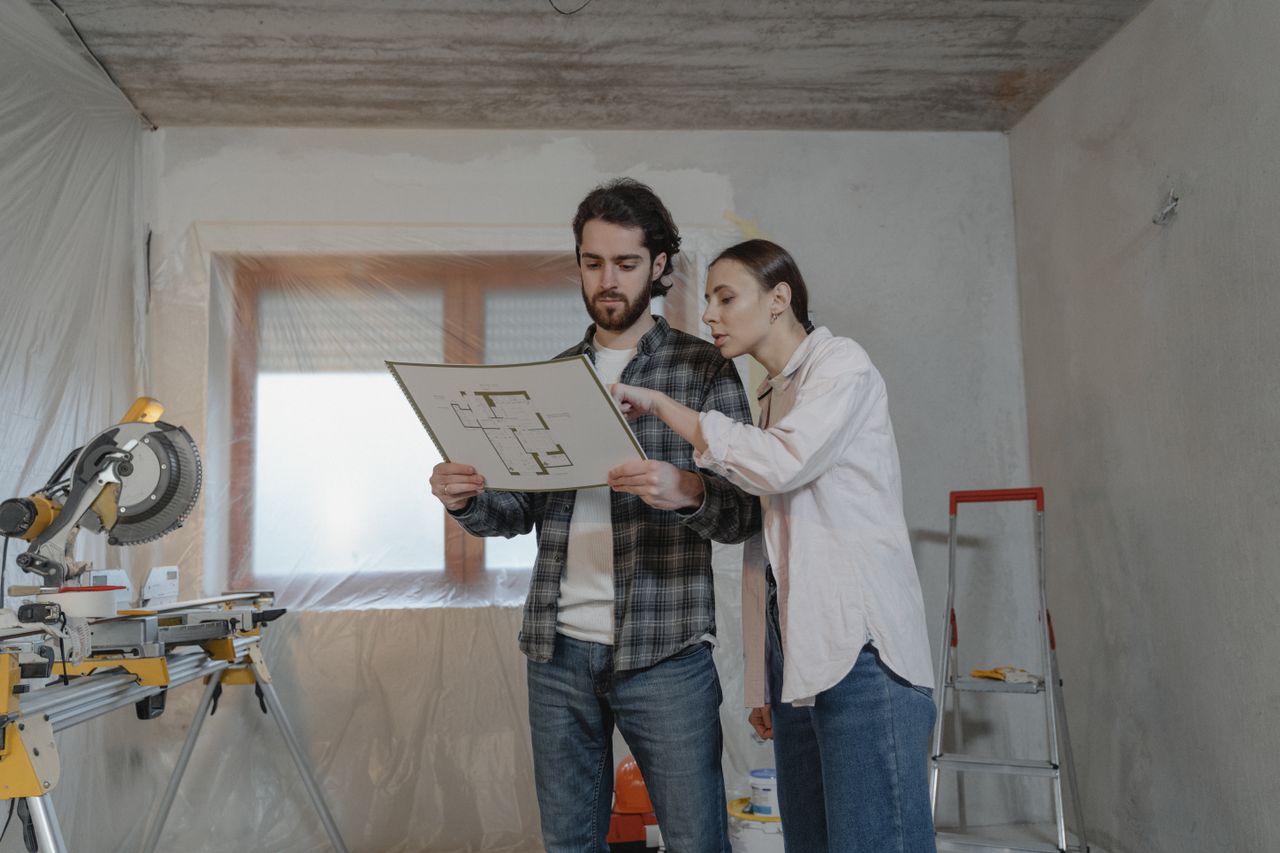
The most successful projects begin with a clear plan. Homeowners should consider their current needs, future lifestyle, property condition, budget, and potential return on investment. A smart home improvement strategy focuses on upgrades that improve daily comfort while also protecting the home’s long-term performance.
Start With Projects That Improve Everyday Function
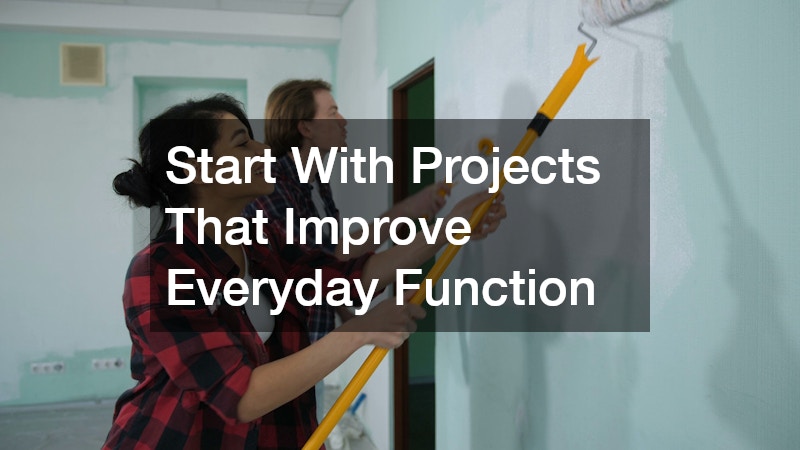
Some of the most valuable upgrades are the ones that make a home easier to live in every day. Homeowners often focus first on visible changes like paint colors, flooring, and fixtures, but functional improvements can have a bigger impact over time. Extra storage, better access, improved parking, and multi-purpose spaces can make a property more useful and appealing.
A detached or attached garage is a strong example. Working with a garage builder can help homeowners create a space that does more than protect vehicles. A well-planned garage can include storage for tools, seasonal decorations, lawn equipment, bikes, sports gear, and household overflow. For many families, this helps reduce clutter inside the home and makes daily routines smoother.
Upgrade Essential Systems for Modern Living
Electrical improvements are especially important in older homes. Today’s households use more power than ever before, from large appliances and home office equipment to security systems, entertainment devices, and electric vehicle chargers. A local electrician can inspect the system, identify overloaded circuits, recommend panel upgrades, and make sure the home can safely support modern technology.
Electrical projects that may add long-term value include:
- Updating an outdated electrical panel
- Adding dedicated circuits for major appliances
- Installing exterior lighting
- Preparing for EV charging
- Adding smart switches or controls
- Improving kitchen, bathroom, basement, or garage wiring
- Replacing unsafe or outdated outlets
These upgrades can improve safety, convenience, and resale confidence. Buyers may be hesitant to purchase a home with questionable electrical work, especially if inspections reveal code issues or outdated wiring.
Improve Natural Light and Interior Appeal
Natural light can completely change how a home feels. Bright, open spaces tend to feel cleaner, larger, and more inviting. Windows, doors, mirrors, glass shower enclosures, and custom glass features can all improve a home’s look and function. These updates are especially valuable when they also improve energy efficiency, safety, or comfort.
A local glass supplier can help homeowners choose products that match the home’s style while also meeting practical needs. For example, new windows may help reduce drafts and outside noise. Glass doors can improve the connection between indoor and outdoor living spaces. A frameless shower enclosure can make a bathroom feel more modern and spacious.
Protect the Property From Outdoor Risks
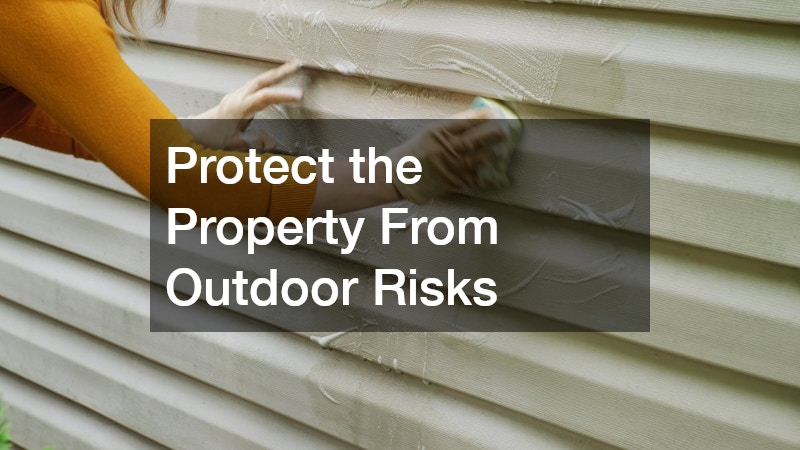
The exterior of a home plays a major role in long-term value. Trees, landscaping, drainage, roofing, siding, driveways, and walkways all affect curb appeal and structural protection. While mature trees can add beauty and shade, they can also become a risk if they are diseased, leaning, too close to the home, or interfering with power lines and drainage systems.
Tree removal companies can help homeowners address hazardous trees before they cause damage. This is especially important in areas with storms, heavy winds, ice, or dense wooded lots. A tree that appears stable in calm weather may become dangerous in severe conditions.
Warning signs that a tree may need professional attention include:
- Large dead branches
- Cracks in the trunk
- Fungal growth near the base
- Leaning toward the home
- Roots damaging pavement or foundations
- Branches touching the roof
- Sudden leaf loss or decay
Outdoor maintenance may not feel like a glamorous home improvement project, but it helps prevent major damage. Protecting the property from falling limbs, root intrusion, and drainage problems can preserve value and reduce future repair costs.
Add Specialty Spaces With a Clear Purpose
Suburban homeowners often have more flexibility to add detached structures, workshops, guest areas, hobby spaces, or multi-use buildings. These projects can add long-term value when carefully planned and built for a clear purpose. The goal should be to create usable space that supports the homeowner’s lifestyle while still making sense for the property.
A local barndominium builder can help homeowners explore whether this type of structure is practical for their land, budget, and zoning requirements. Barndominium-style buildings can serve as living space, storage, workshops, studios, or a combination of uses. Their flexible layouts make them appealing for homeowners who need more usable square footage without a traditional addition.
Invest in the Roof Before Damage Spreads
The roof is one of the most important parts of any home. It protects the structure from water, wind, sun, snow, and debris. When the roof fails, damage can spread quickly to insulation, ceilings, walls, flooring, electrical systems, and personal belongings. That is why roof repairs and replacements often provide strong long-term value.
A residential roofing company can inspect the roof and determine whether repairs, maintenance, or replacement are needed. Homeowners should not wait until water stains appear on the ceiling. By that point, moisture may already be affecting hidden areas.
Common signs of roofing problems include:
- Missing or curling shingles
- Granules collecting in gutters
- Water stains on ceilings
- Damaged flashing
- Sagging rooflines
- Moss or algae growth
- Frequent leaks
- Poor attic ventilation
- Rising energy bills
A roof upgrade can improve more than weather protection. It can also enhance curb appeal, improve insulation performance, and boost buyer confidence. A newer roof is often a major selling point because buyers know it is one less large expense to worry about after moving in.
Catch Hidden Problems Before They Become Expensive
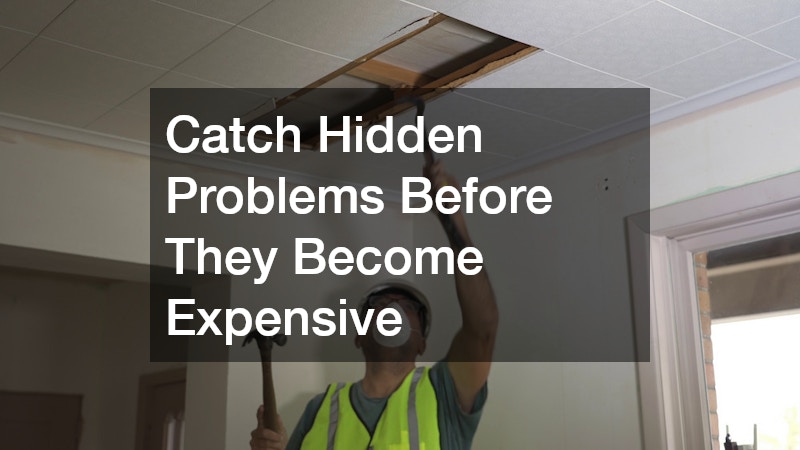
Radon testing is one preventive step homeowners should not overlook. Radon is a naturally occurring gas that can enter homes through cracks, foundations, crawl spaces, and lower-level areas. Testing helps homeowners understand whether mitigation is needed to improve indoor safety.
Preventive testing and inspection can include:
- Indoor air quality checks
- Moisture and mold evaluations
- Foundation inspections
- Pest inspections
- Energy audits
- Water quality testing
- Sewer line inspections
- Chimney inspections
- Basement and crawl space evaluations
These evaluations can help homeowners prioritize improvements based on actual risk rather than guesswork. For example, a basement renovation may look beautiful, but if moisture problems are not solved first, the new finishes could be damaged later. Likewise, finishing a lower-level living area without proper testing or ventilation can create long-term concerns.
Preventive improvements may not always be noticeable to guests, but they can protect health, comfort, and resale value. A home that has been properly tested and maintained is often more attractive to buyers and easier to manage over time.
Plan Major Additions Around Long-Term Needs
Large additions can add significant value when they are designed with care. A new bedroom, expanded kitchen, larger family room, home office, or second-story addition can make a home more comfortable and better suited for changing needs. However, major additions also require careful planning because they affect structure, layout, utilities, permits, and overall property flow.
Homeowners should also think about future flexibility. A new room may serve as a nursery today, an office later, and a guest room in the future. A flexible layout can provide value through multiple stages of life.
A well-planned addition can help homeowners stay in a home they already love rather than move. It can also increase square footage, improve function, and make the home more competitive if it is eventually sold.
Improve Comfort and Energy Performance
Heating and cooling systems have a major impact on daily comfort, utility bills, and indoor air quality. If a home has uneven temperatures, noisy equipment, poor airflow, or rising energy costs, climate control upgrades may be a smart investment. These improvements can make the home more comfortable while also reducing waste.
An HVAC company can evaluate the system and recommend whether maintenance, repairs, duct improvements, or replacement makes the most sense. Homeowners should avoid assuming that a larger system is always better. Equipment must be properly sized for the home to work efficiently.
Valuable comfort and efficiency upgrades may include:
- Replacing outdated heating or cooling equipment
- Sealing or repairing ductwork
- Adding smart thermostats
- Improving air filtration
- Balancing airflow between rooms
- Adding zoning controls
- Coordinating HVAC upgrades with insulation improvements
- Scheduling regular maintenance
Comfort problems are often connected to more than one issue. For example, a room may feel too hot because of poor insulation, leaky ducts, direct sunlight, or undersized equipment. A professional evaluation can help identify the real cause before homeowners spend money on the wrong solution.
Regular maintenance is part of protecting the investment. Changing filters, cleaning components, checking refrigerant levels, and inspecting equipment can extend system life and reduce the chance of breakdowns during peak seasons.
Prevent Water Damage With Smarter Updates
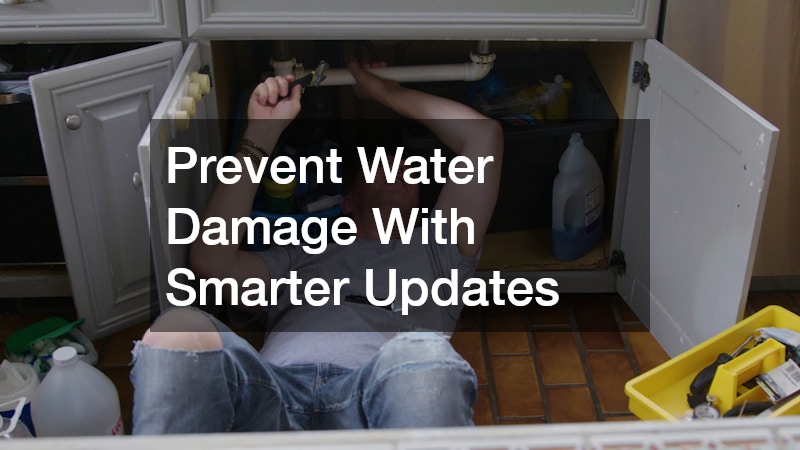
Water can cause some of the most expensive damage in a home. Small leaks may go unnoticed behind walls, under floors, or inside cabinets until mold, stains, odors, or structural problems appear. Plumbing improvements can help prevent these issues and make the home safer and more efficient.
Reliable plumbing companies can inspect pipes, fixtures, drains, water heaters, sump pumps, and shutoff valves. They can identify aging materials, leaks, pressure problems, drainage concerns, or outdated equipment before failure occurs.
Plumbing projects that may add long-term value include:
- Replacing old or corroded pipes
- Updating water heaters
- Installing leak detection devices
- Improving bathroom and kitchen fixtures
- Adding efficient toilets and faucets
- Repairing slow drains
- Installing or maintaining sump pumps
- Upgrading shutoff valves
- Fixing outdoor spigots and drainage connections
Kitchen and bathroom remodels often involve plumbing changes, but homeowners should make sure the hidden work is done properly. Beautiful finishes will not matter if pipes leak behind the walls or drains do not work correctly.
Plumbing updates are often best completed before cosmetic renovations. If walls, flooring, or cabinets need to be opened, it makes sense to handle pipe repairs or upgrades before opening them. This prevents homeowners from later damaging new finishes to uncover hidden problems.
Think About Resale Without Ignoring Daily Life
Homeowners often wonder whether they should improve their home for themselves or for future buyers. The best answer is usually both. A project should make the home better to live in now while also supporting value later. Improvements that cater only to a very specific personal taste may be less appealing at resale, but practical upgrades tend to have broader appeal.
Projects that often serve both current homeowners and future buyers include:
- Improved storage
- Updated systems
- Energy-efficient features
- Safer outdoor spaces
- Better lighting
- Functional kitchens and bathrooms
- Durable roofing and exterior materials
- Finished or flexible living areas
- Clean curb appeal
That does not mean every project must be basic. It means the investment should make sense. A high-quality improvement that solves a real problem is usually more valuable than an expensive feature that adds little function.
The most lasting home improvements are the ones that support safety, comfort, efficiency, and usability. When a home works better, it naturally becomes more appealing.
Home improvement projects that add long-term value are not always the flashiest ones. While updated finishes and attractive design choices matter, the strongest investments often protect the home, improve daily function, reduce future costs, and make the property safer and more efficient.
A smart improvement plan looks at the entire home, inside and out. It considers how the structure performs, how the systems function, how the property handles weather, and how the spaces support everyday life. Homeowners who prioritize practical upgrades first can create a stronger foundation for cosmetic improvements later.
The best projects are thoughtful, well-timed, and properly planned. Whether the goal is comfort, resale value, lower maintenance, or a better quality of life, homeowners should focus on improvements that will continue to serve the property for years to come. By choosing knowledgeable home builders and upgrades with lasting purpose, a house can become more than a nicer place to live. It can become a stronger, safer, and more valuable home.