
A good home maintenance plan does not have to be complicated. In fact, the simpler it is, the more likely a busy family is to keep using it. The goal is not to create a perfect binder full of every possible household task. The goal is to build a practical rhythm that helps everyone know what needs attention, when it needs to happen, and who is responsible for making sure it gets done.
For families, home care often competes with work, school, meals, sports, pets, errands, and weekend plans. That is why the best plan works with real life instead of against it. A parent may not have time to inspect every corner of the house on the first Saturday of every month, but they may be able to check filters while doing laundry, look for leaks while cleaning the bathroom, or test safety devices while changing clocks for daylight saving time.
Start by dividing household tasks into three groups: monthly, seasonal, and annual. Monthly tasks should be quick and easy to remember. Seasonal tasks usually involve weather changes. Annual tasks are larger reviews, inspections, or professional appointments. This simple structure keeps the plan from feeling overwhelming.
A family plan also works better when it is visible. A shared phone calendar, a printed checklist on the refrigerator, or a simple notebook in a kitchen drawer can all work. The right system is the one your household will actually use.
Creating a Calendar That Fits Real Life

A maintenance calendar should be specific enough to be useful, but flexible enough to survive a chaotic week. If a child gets sick, relatives visit, or a work deadline takes over, the plan should not collapse. Build in room to shift tasks by a few days or even a week.
Begin with the systems that affect comfort and daily routines. For example, heating maintenance should be scheduled before cold weather arrives, not after the first freezing night when everyone is already uncomfortable. Families can set a reminder in early fall to replace filters, check vents, listen for unusual sounds, and schedule service if needed.
The same idea applies to appliance maintenance. Refrigerators, washers, dryers, ovens, and dishwashers often show small warning signs before they fail. A dryer taking longer than usual, a refrigerator making new noises, or a dishwasher leaving residue may all point to a problem worth addressing early.
A simple yearly rhythm may look like this:
- Choose one small task each month.
- Choose two or three larger tasks for each season.
- Schedule professional inspections before peak demand.
- Review the plan every January and adjust it based on what worked.
- Keep receipts, warranties, and service notes in one place.
Families with children can also assign simple, age-appropriate jobs. Younger kids can help report dripping faucets, lights that flicker, or doors that do not close properly. Older kids can learn how to reset a tripped breaker safely, change simple filters, or add reminders to the calendar. These small habits teach responsibility while helping the household stay alert.
Spotting Small Problems Before They Spread
Most expensive home problems start quietly. A small stain appears on the ceiling. A walkway crack grows wider after a freeze. A soft spot develops near a window. These details are easy to ignore because daily life moves fast, but they often give families valuable time to act before damage spreads.
One useful habit is to walk around the house after major weather changes. After heavy rain, look for pooling water, new stains, or damp smells. After high winds, check for missing shingles, loose flashing, or debris near gutters. Catching these issues early can make roof repair less disruptive and may help prevent interior water damage.
Exterior surfaces deserve the same attention. Cracked driveways, uneven walkways, and damaged patios can become safety hazards, especially for kids, older relatives, and guests. Some small cracks can be monitored, but wider cracks, sinking sections, or water intrusion may call for concrete repair services before the issue worsens.
Think of this part of the plan as a slow, careful observation habit rather than a construction project. You are not trying to diagnose every structural concern on your own. You are simply learning what is normal for your home so you can recognize what has changed.
A good family rule is this: if a problem changes quickly, returns after being cleaned, affects safety, or involves water entering the home, do not keep waiting. Write it down, take a photo, and decide whether it needs professional review.
Keeping Water Moving Where It Belongs

Water is one of the most common sources of household damage, and it often causes trouble in places families do not see every day. A slow sink, a gurgling tub, or a damp cabinet under the kitchen sink may seem minor at first. Over time, those small signs can lead to stains, odors, damaged flooring, or mold concerns.
Regular drain cleaning is one of the simplest habits families can add to a home maintenance plan. That does not mean using harsh chemicals every time water moves slowly. It often means preventing problems before they start. Use drain strainers, avoid pouring grease down the kitchen sink, run hot water after heavy use, and clean visible debris from bathroom drains.
There is also value in knowing when a clog is more than a normal household nuisance. If several drains slow down at once, water backs up into another fixture, or a bad smell keeps returning, the issue may be deeper in the plumbing system. That is when local plumbers can help identify whether the problem is isolated or connected to a larger line.
Picture a family getting ready for school on a Monday morning when the shower will not drain and the downstairs sink starts bubbling. That is not the moment anyone wants to search for help for the first time. Keeping contact information for trusted professionals in the maintenance plan can save stress when time matters.
A practical plumbing section in your plan might include notes about shutoff valves, past repairs, fixture ages, and recurring problem areas. This information is easy to forget until something goes wrong, but it can be extremely helpful during an urgent call.
Protecting Comfort Through Seasonal Changes
Every season asks something different from a home. Summer brings heat, humidity, storms, and heavy cooling demand. Winter brings cold air, dry indoor conditions, and more strain on heating systems. A family maintenance plan should make these shifts easier instead of reacting only when something breaks.
Before warm weather arrives, check airflow throughout the house. Replace dirty filters, clear debris around the outdoor unit, and pay attention to rooms that never seem to cool properly. Uneven temperatures, weak airflow, loud cycling, or warm air from vents can be signs that ac repair may be needed before the hottest part of the year.
When colder months approach, heating maintenance becomes part of keeping the home safe and comfortable. Families should check filters, make sure vents are not blocked by furniture, and schedule service if the system smells unusual, sounds different, or struggles to keep up. Waiting until the first cold snap can mean longer appointment delays and more discomfort.
Comfort planning is not only about equipment. It also includes habits. Closing curtains during extreme heat, sealing obvious drafts, using ceiling fans correctly, and keeping furniture away from vents can all help systems work more efficiently.
One parent may notice that the upstairs bedroom is always too warm in July. Another may realize the living room feels drafty every December. These observations belong in the plan. Over time, they help reveal patterns that are easy to miss when each season is treated as a separate emergency.
Strengthening Safety Around Essential Systems

Family safety depends on everyday systems working quietly in the background. Electricity, smoke alarms, outlets, lighting, and emergency power are not always top of mind, but they matter most when something goes wrong.
A useful safety routine starts with basic checks. Test smoke and carbon monoxide alarms monthly. Replace batteries as recommended. Make sure children know what alarms sound like and what to do if they hear one. Check that cords are not pinched under furniture, outlets are not overloaded, and lights do not flicker repeatedly.
Some electrical warning signs should never be brushed aside. Warm outlets, burning smells, frequently tripped breakers, buzzing panels, or sparks need prompt attention from a residential electrician. Families should not attempt risky electrical repairs to save money, especially when the issue involves wiring, panels, or repeated failures.
Emergency planning should also include power outages. A backup generator can help keep essentials running during storms, especially for families with medical equipment, remote work needs, refrigerated medications, or young children. The plan should include safe operation instructions, fuel considerations, and maintenance reminders.
This is also a good place to store emergency details. Keep utility shutoff information, service contacts, insurance details, and appliance manuals together. The middle of a storm is not the time to wonder where the manual is or whether the generator was serviced last year.
Reducing Moisture Risks Before They Become Serious
Moisture problems often develop slowly. A musty smell appears after rain. Floors feel colder than usual. A basement corner stays damp. These issues may not seem urgent at first, but they can affect air quality, comfort, and the long-term condition of the home.
Families should pay attention to the lower areas of the house because they often reveal early signs of moisture trouble. Crawlspaces, basements, foundation edges, and lower walls can show dampness before the main living areas do. Crawlspace encapsulations may be helpful in homes with persistent moisture, high humidity, or recurring musty odors from below the living space.
The outside of the home matters too. Water should move away from the foundation, not toward it. Gutters, downspouts, grading, and hard surfaces all affect drainage. Cracked patios or uneven slabs can direct water into places it does not belong, which is one reason concrete repair services can be part of a broader moisture prevention strategy.
Instead of treating moisture as a one-time repair, include it in seasonal reviews. After heavy storms, check for new damp spots. During humid months, notice odors and condensation. In colder seasons, look for areas where melting snow or rainwater collects near the foundation.
A family may not see mold or major damage right away, but repeated dampness is enough reason to act. The sooner moisture patterns are noticed, the easier they usually are to manage.
Organizing Seasonal Checklists That Save Time
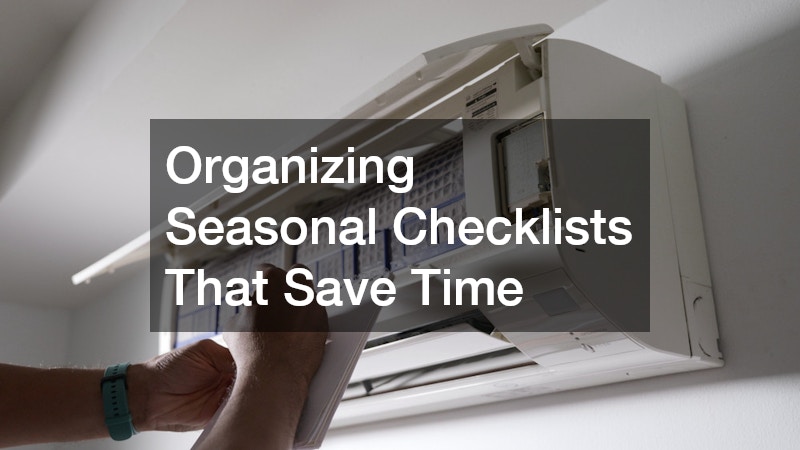
Seasonal checklists are helpful because they reduce decision fatigue. Rather than asking, “What should we do around the house this weekend?” the family can look at the plan and choose the next task. The checklist should be short enough to finish, not so long that everyone avoids it.
Spring can focus on recovery from winter. Look for exterior damage, test outdoor faucets, clean gutters, and prepare cooling systems. Summer can focus on airflow, outdoor safety, and storm readiness. Fall can focus on sealing gaps, clearing debris, and preparing for colder weather. Winter can focus on indoor safety, leaks, and emergency supplies.
This is also a good time to revisit appliance maintenance. Families rely heavily on washers, dryers, refrigerators, and kitchen appliances during school weeks, holidays, and busy routines. Cleaning coils, clearing dryer lint, checking hoses, and watching for leaks can prevent inconvenient breakdowns.
Plumbing habits also fit well into seasonal routines. For example, drain cleaning may be added to spring and fall checklists, especially in bathrooms, kitchens, laundry areas, and utility sinks. These routine checks are small, but they help keep daily life moving.
The key is to avoid making every checklist feel like a full-day project. A seasonal plan should have a few must-do items and a few optional items. If the family completes the essentials, the season is still a win.
Choosing Professional Help Before Emergencies Happen
Some home maintenance can be handled by a careful homeowner. Some should not be. Knowing the difference is part of building a plan that protects both the house and the people living in it.
Anything involving active leaks, sewer backups, electrical hazards, roof damage, structural movement, or major system failures deserves careful attention. Calling local plumbers early for recurring leaks or slow drains may prevent water damage. Bringing in a residential electrician for breaker issues, panel concerns, or unsafe outlets can reduce the risk of fire or injury.
Professional help is also easier to manage when it is planned. Families can budget for routine service, compare providers calmly, and schedule appointments before peak seasons. Emergency calls, by contrast, usually happen at the worst possible time and leave fewer choices.
Keep a short list of trusted professionals in the maintenance plan. Include names, phone numbers, websites, service dates, and notes about past work. After each visit, write down what was done and what may be needed later. These records are especially helpful when selling a home, filing warranty claims, or explaining recurring issues.
A maintenance plan does not remove every surprise. Homes are too complex for that. But it does make surprises less chaotic. When a family already knows who to call, where records are stored, and what warning signs matter, they can respond with more confidence.
Maintaining a Home With More Confidence
Creating a family home maintenance plan that works is really about building a steadier relationship with the place you live. Instead of waiting for things to break, the family learns to notice, schedule, prevent, and respond. The plan does not have to be perfect. It only has to be useful.
Start small. Choose a calendar system, write down the most important monthly and seasonal tasks, and gather key documents in one place. Add professional contacts as you find people you trust. Take photos of concerns, keep receipts, and review the plan a few times a year.
Over time, these habits make home care feel less stressful. The house becomes easier to understand. Family members know what to watch for. Small tasks get handled before they grow. Repairs become less surprising, and safety checks become part of the normal household rhythm.
A strong maintenance plan gives families more than a cleaner checklist. It creates a safer, more comfortable, and more reliable home for the people who depend on it every day.