
The exterior of your home is constantly at war with the elements. Day after day, it withstands blistering UV rays, driving rain, freezing temperatures, and airborne pollutants. Over the course of a few years, this relentless exposure takes a toll. A home that once looked vibrant and sharp can gradually begin to look weathered, tired, and prematurely aged. Dirt accumulates in the crevices of your siding, paint begins to chalk or peel, walkways stain, and landscaping grows out of control, slowly obscuring the architectural beauty beneath.
Many homeowners normalize this slow degradation, failing to notice just how much luster their property has lost. However, addressing these issues is about much more than mere aesthetics. Your home’s exterior serves as the primary barrier protecting your largest financial asset. When the exterior envelope begins to fail, it invites moisture intrusion, pest infestations, and structural decay that can cost tens of thousands of dollars to fix inside the walls.
There is a profound psychological benefit to maintaining a pristine exterior. Pulling into the driveway of a sharp, well-maintained house provides an immediate sense of pride and comfort. Whether you are planning to put your property on the market in the near future or you simply want to enjoy your space to its fullest potential, a comprehensive exterior restoration is one of the highest-ROI projects you can undertake.
The Right Way to Blast Away Built-Up Dirt Without Damaging Your Surfaces
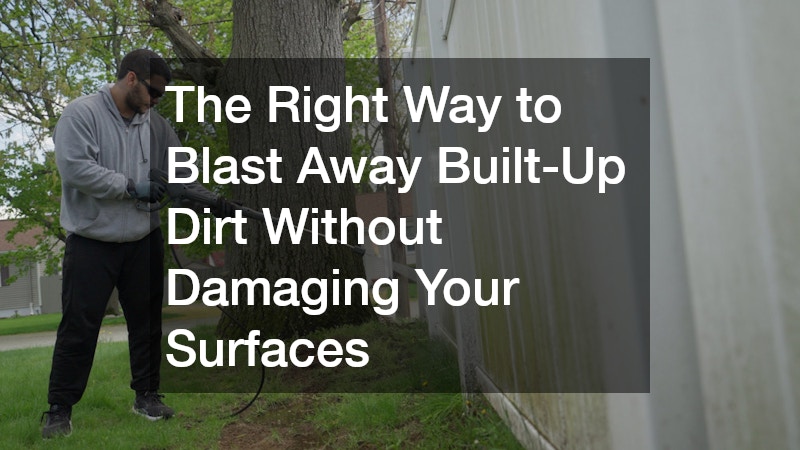
The most immediate and cost-effective transformation you can give your home starts with a comprehensive deep clean. Over time, a film of microscopic dust, pollen, spiderwebs, and mold spores settles over every square inch of your property. Simply spraying your house with a garden hose will not cut through this accumulated grime. You need specialized techniques to lift the embedded dirt without causing accidental damage to the underlying materials.
To achieve a pristine look without damaging your surfaces, consider the following approach:
- Utilize Soft Washing for Siding: Blasting your siding with high-pressure water can force moisture behind the panels, crack vinyl, and strip the protective layers off wood. Instead, rely on low-pressure chemical solutions to break down mold and algae at the root.
- Reserve High Pressure for Hardscapes: Save traditional power washing for durable surfaces like concrete driveways, brick walkways, and stone retaining walls to safely strip away deep oil stains and ground-in dirt.
- Incorporate Bright Reflective Surfaces: Dirty glass acts like a filter, dimming natural light and aging the property. A thorough window washing ensures the glass matches the newly scrubbed siding, allowing the interior warmth of your home to shine through.
- Protect Outdoor Fixtures: Before starting any wash, remember to cover exterior electrical outlets, protect delicate landscaping with plastic sheeting, and pre-wet nearby plants to prevent chemical burns.
Protecting Your Foundation by Managing Roof Runoff
Water is a home’s greatest enemy, and the systems designed to manage it are among the most critical components of your exterior architecture. When gutters clog with autumn leaves, pine needles, and asphalt shingle granules, water has nowhere to go. It overflows the edges, pouring directly down your siding and pooling at the base of your foundation, which leads to rotted fascia boards, cracked foundations, eroded landscaping, and flooded basements.
Managing roof runoff effectively requires a mix of keen observation and professional upgrades:
- Identify Signs of Failure: Look for water cascading over the sides like a waterfall, sagging troughs that pull away from the roofline, peeling paint on the siding behind downspouts, or pools of standing water at the foundation.
- Consult Professional Experts: If your channels are rusted through or improperly pitched, hiring expert gutter contractors ensures the system is structurally sound and pitched correctly so water moves swiftly toward downspouts.
- Upgrade to Seamless Designs: Consider replacing old sectional pieces with seamless aluminum or copper designs to eliminate the joints where leaks traditionally form over time.
- Install Protective Leaf Guards: Adding high-quality gutter guards can permanently prevent debris from entering the channels, saving you from dangerous bi-annual ladder climbs and keeping your foundation completely dry.
Sealing the Envelope to Prevent Moisture Intrusion and Heat Loss
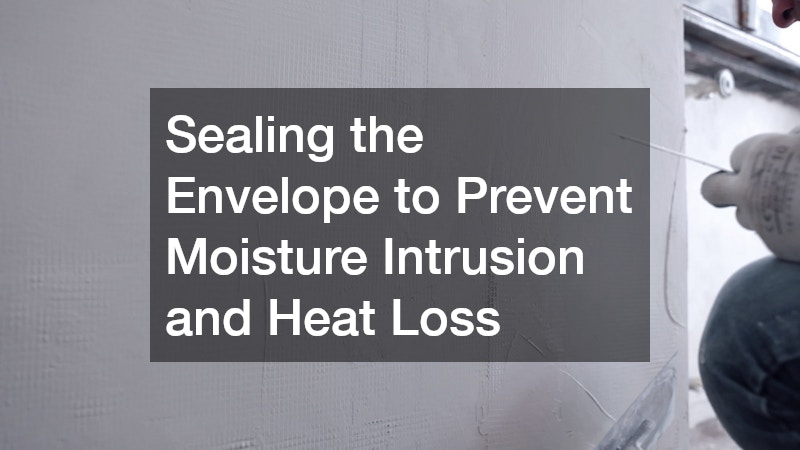
Once the surfaces are clean and the water is flowing where it belongs, it is time to address structural imperfections on the walls. As a house settles over time, and as temperature swings cause building materials to expand and contract, minor structural cracks are inevitable. Leaving these gaps unaddressed is an open invitation for moisture to seep into the wall cavities, where it can rot framing studs and foster toxic mold growth.
To properly seal your home’s exterior envelope, keep these essential steps in mind:
- Prevent Winter Freeze Damage: If moisture gets trapped inside a masonry or plaster wall before a winter freeze, the water expands as it turns to ice, causing the surrounding material to spall, flake, and break away in large chunks.
- Execute Targeted Repairs: Catching these issues early allows you to perform localized stucco crack repairs using high-quality, flexible elastomeric sealants or specialized patching compounds designed to mimic the texture of the surrounding wall.
- Prepare the Surface Correctly: Use a cold chisel or a stiff wire brush to widen the crack slightly before filling it, creating a clean, debris-free channel for the patching material to bond with.
- Blend the Texture Seamlessly: Once the filler is applied, texturing it with a damp sponge or a trowel ensures the repair disappears into the wall, boosting energy efficiency by eliminating drafts that force your HVAC system to work overtime.
Restoring Worn Steps, Porches, and Elevated Walkways
The safety and accessibility of your entryways play a massive role in the overall impression your home gives off. Architectural elements like front steps, porches, and elevated balconies require robust structural support that can withstand constant foot traffic and exposure to moisture. When metal components on these structures begin to rust, they become both an eyesore and a severe safety hazard.
Restoring your entry structures and residential iron railings involves a meticulous multi-step process:
- Execute Thorough De-scaling: Use a wire wheel or heavy-grit sandpaper to grind away all loose rust and flaking paint down to the bare, shiny metal.
- Apply Chemical Treatments: Coat the area with a rust-converter solution containing tannic acid to transform any remaining microscopic rust particles into a stable, paintable iron phosphate compound.
- Prime for Ultimate Moisture Resistance: Apply a specialized, zinc-rich exterior primer designed specifically to block moisture and inhibit future oxidation.
- Finish with Heavy-Duty Top-Coating: Apply two coats of high-gloss or satin exterior oil-based enamel paint formulated to resist UV fading and physical abrasion.
- Verify Local Safety Codes: Ensure that all steps and elevated platforms meet local building codes for height, stability, and grip security to keep your guests safe.
Spotting and Fixing Overhead Vulnerabilities Before They Cause Interior Damage
Your roof represents the ultimate line of defense against the elements. A compromised roof can silently ruin insulation, destroy drywall, and rot structural trusses long before you ever notice a drip inside your living room ceiling. Because working on a roof carries inherent safety risks, regular inspections from ground level using binoculars are highly recommended.
To protect your home from overhead structural failure, focus on these critical tasks:
- Conduct Routine Ground-Level Inspections: Look closely for signs of advanced wear, such as shingles that are curling at the edges, buckling in the center, or missing entirely.
- Inspect Vulnerable Flashing Zones: Pay close attention to the valleys and the areas surrounding chimneys, skylights, and plumbing vents where old caulking degrades and degrades over time.
- Perform Timely Interventions: Executing a targeted roof repair can extend the lifespan of your overhead structure by several years, allowing you to defer the massive financial burden of a complete tear-off and replacement.
- Optimize Attic Ventilation: Ensure your attic has balanced intake and exhaust ventilation, as a roof that gets too hot in the summer will literally bake the shingles from the inside out, causing premature failure.
Choosing the Right Palette and Coating for Ultimate Longevity
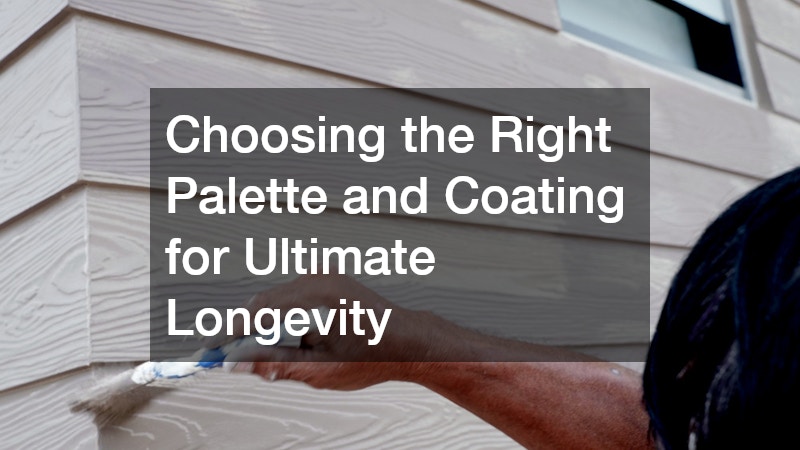
Nothing transforms a property as radically or as instantly as a fresh coat of paint. If your home’s current paint job is chalking, fading, or peeling, it means the binder in the paint has broken down, leaving the raw siding materials exposed to rot and sun damage. A fresh paint job acts as a protective shield while defining your home’s modern identity.
Achieving a flawless, long-lasting finish requires a strategic approach to color and application:
- Prioritize Rigorous Surface Preparation: True professional results require hours of scraping, sanding, washing, and priming before a drop of finish color is ever applied, preventing the new coat from bubbling or peeling.
- Partner with Experienced Specialists: Because this process requires immense physical labor and specialized scaffolding, collaborating with an experienced exterior painting contractor is often the wisest investment.
- Navigate Modern Palette Selections: Choose contemporary color combinations that complement your roof color and surrounding landscape, ensuring your home stands out beautifully while fitting into the neighborhood.
- Select Climate-Appropriate Products: Utilize high-grade acrylic latex paints that expand and contract smoothly with seasonal temperature swings, or opt for elastomeric coatings in regions prone to heavy moisture.
Pruning Overgrowth to Protect Your Roof and Let the Sun In
You can spend thousands of dollars restoring your siding and paint, but if your landscaping is overgrown, dark, and chaotic, your home will still look unkempt. Mature trees add irreplaceable character and value to a property, but when left unmanaged, they pose a direct threat to your home’s physical structure.
Managing your property’s canopy keeps your home bright, dry, and structurally secure through the following actions:
- Eliminate Shingle Abrasion: Heavy branches hanging directly over your roofline can scrape against shingles during windy nights, acting like sandpaper that strips away the protective granules.
- Reduce Damp Microclimates: A dense tree canopy completely blocks out sunlight, preventing your roof and siding from drying properly and creating a breeding ground for destructive moss, lichens, and wood-boring insects.
- Utilize Certified Professionals: Engaging professional tree services is essential for handling high-altitude limb removal, clearing out deadwood that could collapse during a storm, and thin the interior canopy safely.
- Boost Sunlight and Air Circulation: Thinning out branches allows sunlight and airflow to pass through freely, which instantly brightens your yard and highlights your home’s architecture rather than burying it in deep shadow.
Creating a Grand Entrance and Functional Backyard Oasis

With the structural integrity of your home secure, you can pivot your focus toward the key experiential zones of your property: the main entry point and the primary outdoor living space. These are the areas where human interaction occurs, making their design and upkeep incredibly impactful.
Transforming these focal points into beautiful, welcoming spaces involves several key considerations:
- Execute Entry Restorations: Strip old, flaking varnish from solid wood doors, apply a rich new stain, and seal it with marine-grade spar urethane to protect against UV damage, or use a bold paint color on fiberglass or steel for front door restorations.
- Designate Clear Backyard Zones: Collaborate with a skilled patio builder to design functional, interlocking concrete paver or natural flagstone spaces tailored specifically for cooking, dining, and lounging.
- Incorporate Integrated Landscape Lighting: Build hardscape lighting directly into patio steps and retaining walls to enhance safety and provide an elegant evening ambiance.
- Establish Proper Subsurface Drainage: Ensure your new outdoor living space features correct grading and drainage systems so rainwater flows away from the home’s foundation.
- Mirror Existing Architecture: Select masonry and stone accents for your backyard features that complement the existing textures and materials found on the main house structure.
Restoring a home’s exterior to a like-new condition is a multi-faceted journey that yields incredible rewards. By breaking down the process into logical phases—beginning with a deep, restorative cleaning, moving through essential moisture management, repairing structural surfaces, and finishing with expert paint and landscape curation—you can systematically erase years of weathering and neglect.
While some of these tasks can be easily managed over a few productive weekends, recognizing when to bring in skilled professionals ensures that high-altitude, structural, or highly specialized projects are executed safely and to the highest standard. Taking a proactive approach to your home’s exterior design and maintenance does more than just skyrocket your curb appeal; it preserves your financial equity, prevents minor issues from spiraling into costly disasters, and creates an inspiring environment you are proud to come home to every single day. Map out your restoration plan, prioritize your projects, and begin the rewarding process of bringing your home back to its absolute prime.