Maintaining a property involves more than handling problems as they appear. Homes, yards, driveways, trees, drainage systems, and exterior surfaces all need regular attention to remain functional and visually appealing. For many homeowners, professional help can make larger or more specialized projects easier to manage, especially when the work involves equipment, safety concerns, or technical installation requirements.
A coordinated maintenance plan can also prevent small issues from becoming expensive repairs. Overgrown trees can interfere with roofs and utility lines, clogged gutters can contribute to drainage problems, damaged pavement can create tripping hazards, and neglected lawns can become difficult to restore. Looking at the property as a whole helps homeowners prioritize projects and schedule services in a logical order.
Professional services can support both routine upkeep and long-term improvements. Some focus on appearance, while others protect structures, improve drainage, remove hazards, or simplify cleanup. By understanding what different specialists do, homeowners can make better decisions about which projects require outside help and how those services can work together to keep a property in good condition.
Improve Outdoor Areas With Professional Landscaping
Well-planned outdoor areas can make a property more enjoyable while also supporting drainage, privacy, and curb appeal. Landscaping services can help homeowners organize planting beds, lawns, walkways, decorative features, and other exterior elements so that the yard feels intentional rather than pieced together over time.
Professional landscaping may include site preparation, planting, edging, mulching, grading, seasonal cleanup, and the installation of features such as garden beds or stone borders. The right combination depends on the size of the property, local climate, sun exposure, soil conditions, and how much maintenance the homeowner wants to perform.
A good landscape plan should consider function as well as appearance. Plants placed too close to the house can interfere with siding or drainage, while shrubs near walkways may eventually block access. Trees and large plantings should also be positioned with future growth in mind. Choosing appropriate locations can reduce pruning needs and help avoid conflicts with roofs, driveways, fences, or utilities.
Homeowners can make landscaping easier to maintain by grouping plants with similar water and sunlight needs. Mulch can help reduce weeds and retain soil moisture, while defined borders make mowing and trimming more efficient. When landscaping is designed around practical maintenance, homeowners can enjoy an attractive yard without creating unnecessary work.
Keep Grass and Lawn Areas Manageable
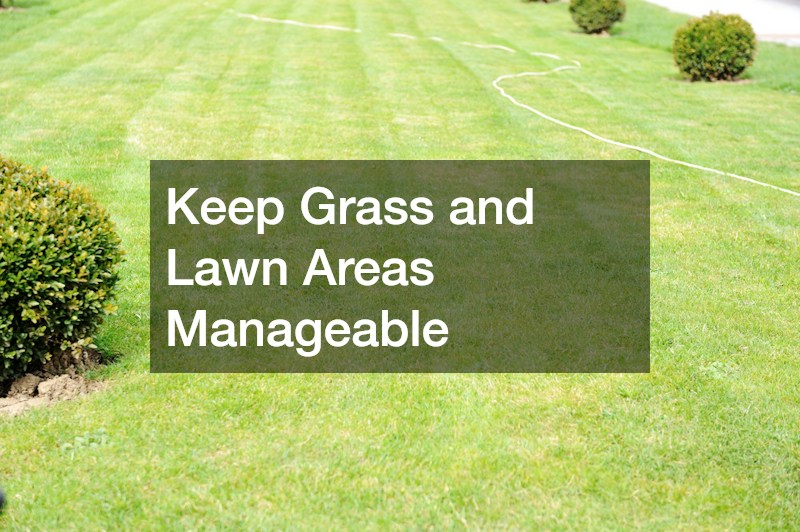
Healthy lawns require regular care, but the amount of work can vary widely depending on grass type, weather, soil conditions, and how heavily the yard is used. Lawn care services can help homeowners manage mowing, edging, fertilization, weed control, aeration, overseeding, and seasonal maintenance when they do not have the time or equipment to handle these tasks themselves.
Consistent mowing is one of the most basic lawn maintenance practices. Cutting grass too short can stress the lawn, while allowing it to become excessively tall can make mowing more difficult and create an uneven appearance. Proper mowing height depends on the grass variety and time of year.
Soil health is another important factor. Compacted soil can limit root growth and reduce the movement of water and nutrients. Aeration can help loosen compacted areas, while overseeding may improve thin or bare sections. Homeowners should also pay attention to drainage because standing water can damage turf and create muddy areas.
A professional lawn plan should reflect the actual conditions of the property rather than following the same schedule for every yard. Shaded areas, slopes, pets, irrigation patterns, and foot traffic can all affect how grass performs. Adjusting maintenance practices to these conditions can help homeowners create a lawn that is easier to manage throughout the growing season.
Address Tree Maintenance Before Problems Develop
Trees can provide shade, privacy, and visual interest, but they also require maintenance as they mature. Overgrown, damaged, or poorly positioned branches can interfere with roofs, driveways, utility lines, or nearby structures. Tree trimming companies can evaluate branch growth and recommend pruning when limbs are dead, damaged, crowded, or creating clearance problems.
Regular trimming can improve visibility, reduce interference with structures, and help manage the size and shape of certain trees. However, excessive or improper pruning can weaken a tree, so homeowners should avoid removing large amounts of healthy growth without understanding how the species responds.
Some trees eventually need to be removed because of disease, severe storm damage, structural instability, or conflicts with construction. Local tree removal professionals can assess difficult situations and determine how to take down a tree safely, especially when it is close to a home, fence, driveway, or power line.
After a tree is removed, the remaining stump can create another maintenance issue. Stump grinding services can reduce the stump below ground level, making the area easier to regrade, plant, or cover with grass. Grinding can also eliminate an obstacle that might interfere with mowing, landscaping, or future construction.
Homeowners should inspect mature trees periodically and after major storms. Cracked limbs, leaning trunks, exposed roots, or sudden changes in foliage can indicate a need for professional evaluation before the problem becomes more serious.
Maintain Driveways and Other Paved Surfaces
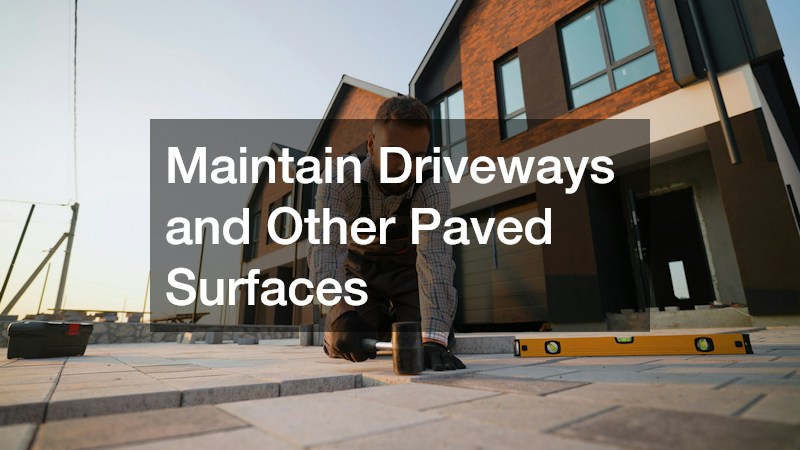
Driveways, walkways, patios, and other paved areas experience constant exposure to weather and traffic. Cracks, settling, potholes, and drainage problems can make these surfaces less attractive and more difficult to use. Paving services can help homeowners repair or replace damaged areas and create more functional routes around the property.
Small cracks are often easier to address before they widen. Water can enter openings, freeze in colder climates, and contribute to further deterioration. Uneven surfaces may also create tripping hazards or cause water to pool near foundations and landscaping.
Homeowners considering a new driveway or walkway should think about drainage, slope, material, and expected traffic. Asphalt, concrete, pavers, and gravel each have different maintenance requirements and installation costs. The most suitable option depends on the property and how the surface will be used.
Paved areas should also connect logically with entrances, garages, gates, and outdoor living spaces. A well-planned path can make it easier to move trash bins, bicycles, lawn equipment, and other items around the property. Lighting along walkways and driveways can further improve usability after dark.
Routine cleaning and periodic inspection can extend the useful life of paved surfaces. Addressing stains, vegetation growth, edge deterioration, and drainage issues early can help prevent more extensive repairs later.
Reduce Pest Problems Around the Property
Pests can affect both indoor and outdoor areas, particularly when food, water, shelter, or entry points are readily available. A pest control company can help homeowners identify the type of pest involved, locate likely sources of activity, and recommend treatment or prevention strategies.
Common problems may include ants, rodents, wasps, termites, mosquitoes, or other insects depending on the region and season. Treatment methods should be matched to the specific pest rather than applied broadly without a clear reason. Homeowners can also reduce pest pressure by eliminating conditions that attract unwanted activity.
Standing water should be corrected where possible, especially in containers, clogged gutters, low areas, or poorly drained landscaping. Firewood should be stored away from the house, food waste should be contained, and gaps around doors, windows, vents, and utility penetrations should be sealed when practical.
Vegetation can also influence pest activity. Shrubs touching the house, dense groundcover near foundations, and overhanging branches may create sheltered routes for insects or rodents. Regular trimming can improve visibility and reduce these pathways.
Pest prevention works best as part of a broader maintenance routine. Clean storage areas, controlled moisture, secure trash containers, and regular exterior inspections can help homeowners identify problems earlier and reduce the need for more disruptive treatment later.
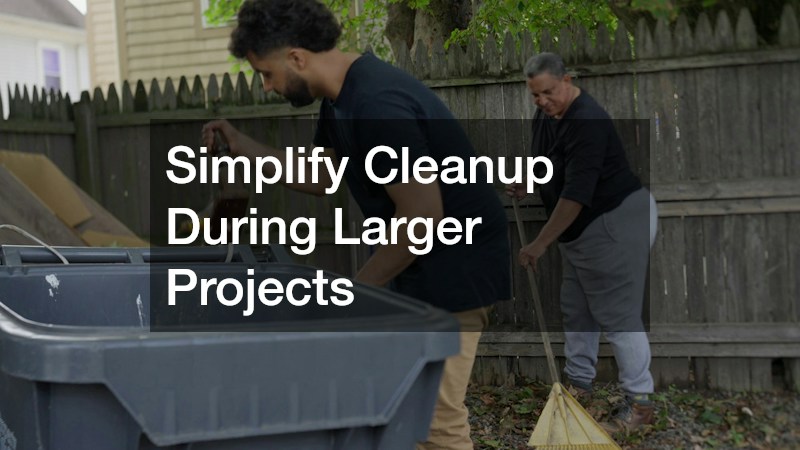
Simplify Cleanup During Larger Projects
Renovations, landscaping work, tree removal, and major cleanouts can produce more waste than standard household trash service can handle. Dumpster rental services give homeowners a designated place to collect debris while a project is underway, which can keep work areas more organized and reduce repeated trips to disposal facilities.
The appropriate container size depends on the project. A small remodeling job may generate drywall, flooring, packaging, or old fixtures, while a yard cleanup could include branches, fencing, soil, or other bulky materials. Homeowners should ask which materials are permitted because certain items may require separate handling.
Placement is another important consideration. The dumpster should be accessible to the delivery vehicle without blocking necessary entrances, creating visibility problems, or damaging delicate surfaces. Protective boards may be used under some containers to reduce pressure on driveways.
Homeowners should also plan how debris will move from the work area to the container. Keeping pathways clear can improve safety and reduce the chance of damage to finished surfaces or landscaping. Loading heavier material evenly can also help prevent unstable piles.
When cleanup is planned in advance, larger projects are easier to manage. Having one disposal location allows contractors and homeowners to keep debris contained, which can make the property safer and help work progress more efficiently.
Protect the Exterior With Siding and Gutters
The exterior shell of a home plays an important role in protecting interior spaces from moisture, wind, and changing weather conditions. Vinyl siding installation can replace damaged or outdated exterior cladding while giving homeowners a relatively low-maintenance surface that is available in many colors and profiles.
Proper preparation is essential before new siding is installed. Existing damage, moisture problems, or deteriorated sheathing should be addressed first. Installing siding over unresolved problems can hide damage rather than solve it. Homeowners should also consider insulation, flashing, trim, and ventilation details as part of the project.
Gutters work alongside siding by directing roof runoff away from the house. A gutter installation contractor can evaluate rooflines, drainage patterns, downspout locations, and the condition of fascia boards before installing or replacing a system.
Downspouts should discharge water far enough from the foundation to reduce pooling near the home. Extensions, splash blocks, or underground drainage may be appropriate depending on the landscape. Gutters should also be cleaned and inspected regularly because leaves, twigs, and debris can block water flow.
Coordinating siding and gutter projects can be useful because both involve exterior trim and roofline areas. Homeowners planning multiple improvements may save time by addressing related repairs before final installation so the finished exterior performs properly and looks consistent.

Build a Long-Term Property Maintenance Plan
Property maintenance becomes easier when homeowners use a schedule rather than reacting only when something breaks. A seasonal plan can include lawn care, tree inspection, gutter cleaning, pavement checks, pest prevention, exterior washing, and landscape maintenance. Spreading these tasks throughout the year can make them more manageable.
Homeowners should begin by listing major property components and noting their condition. Areas that affect safety, drainage, or structural protection should usually receive attention before cosmetic upgrades. For example, a failing gutter system may be more urgent than planting new shrubs, and a hazardous tree may need attention before installing a new patio nearby.
It is also helpful to coordinate professionals when projects overlap. Tree work may need to happen before paving, landscaping may follow heavy construction, and cleanup services may be useful during several stages of a renovation. Planning the order carefully can prevent one contractor from damaging work that another contractor has already completed.
Budgeting for routine maintenance can also reduce surprises. Setting aside money for seasonal services, inspections, and minor repairs gives homeowners more flexibility when problems arise. Keeping records of completed work, warranties, and service dates can make future decisions easier.
Homeowners can also review maintenance priorities before each season begins. This makes it easier to schedule professional appointments, purchase needed materials, and prepare outdoor areas before weather changes create new demands. A brief property walk-through can reveal small concerns before they become larger projects.
A well-maintained property does not require every improvement to happen at once. Consistent attention to the yard, trees, pavement, exterior surfaces, drainage, and pest prevention can help homeowners protect their investment and make the property easier to use. By choosing professional help for tasks that require specialized skills or equipment, homeowners can address maintenance more efficiently and keep both the home and surrounding property in better condition over time.