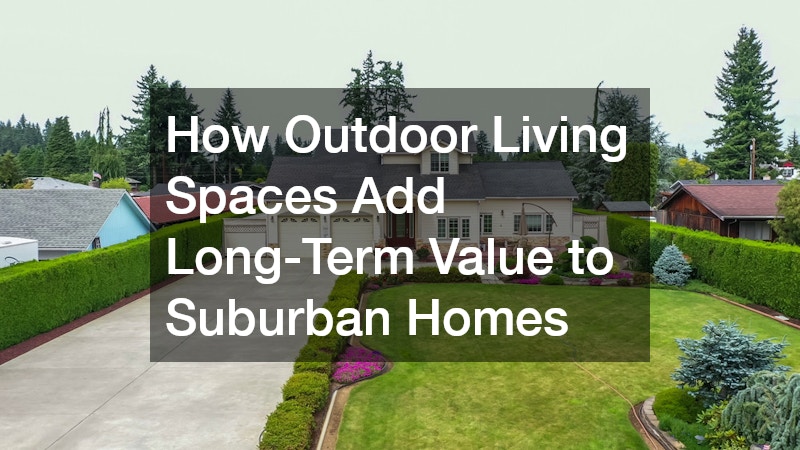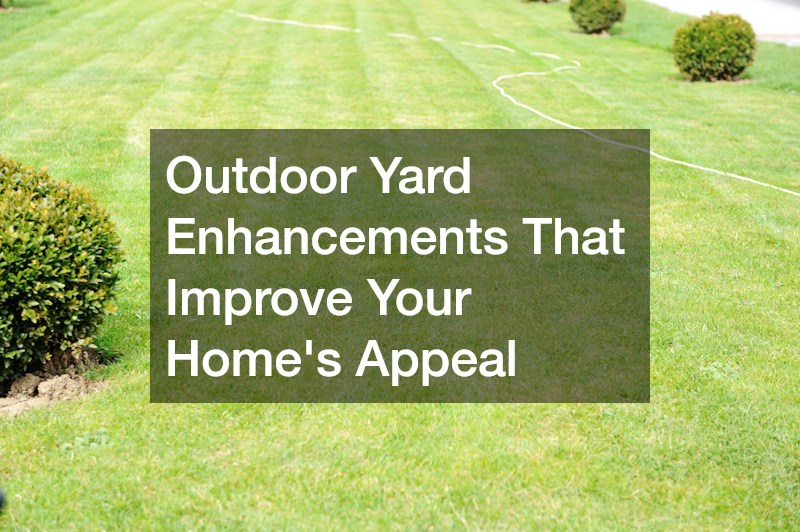
Your yard is one of the first parts of your property that visitors see, and it can have a significant effect on how your home looks and functions. An outdoor space that is thoughtfully maintained and designed can create a welcoming first impression while giving your household more opportunities to enjoy time outside. Even smaller improvements can change the appearance of a property, while larger projects can make an outdoor area more useful, comfortable, and cohesive.
Outdoor improvements can serve many purposes. Some projects add privacy or define property boundaries, while others improve safety, address maintenance concerns, or create more attractive areas for relaxing and entertaining. Features such as walkways, plantings, trees, fences, walls, gates, and lighting can also work together to give a yard a more finished appearance.
The right improvements depend on the condition of the property, the layout of the yard, and how you want to use the space. A homeowner with a sloped backyard may benefit from structural landscaping features, while another property may need better lawn maintenance, tree care, or an updated entrance. Combining practical improvements with visual enhancements can create an outdoor space that feels intentional rather than pieced together over time.
Before starting a project, consider how each improvement will fit with the rest of the property. Materials, colors, plant selections, lighting, and other features can be coordinated to create a consistent look. It is also helpful to consider maintenance requirements, drainage, safety, and how the yard may change as plants and trees grow.
Whether you want to improve curb appeal, create more privacy, or make your yard easier to enjoy, several outdoor enhancements can contribute to a more attractive property.
Define Your Property With a Well-Planned Boundary

A fence can do more than mark where one property ends and another begins. The right fence can add privacy, improve security, create a defined outdoor area, and contribute to the overall appearance of your home. Because fences are highly visible from the street and neighboring properties, their design can have a noticeable effect on curb appeal.
When planning a new fence, consider the purpose you want it to serve. A privacy fence can create separation from nearby properties, while a shorter decorative fence can define gardens, walkways, or other areas without making the yard feel enclosed. Different materials also create different visual effects. Wood can provide a traditional appearance, while vinyl, aluminum, and other materials can offer different maintenance and design options.
Property layout is another important consideration. A fence should follow the property’s boundaries while accommodating gates, landscaping, driveways, and other existing features. Local requirements may also affect fence height, placement, and construction.
Working with a fence company can help homeowners evaluate the layout and determine what type of fencing fits the property’s needs. A well-planned boundary can make the yard feel more organized while adding a practical feature that complements the home.
Add Privacy and Functionality to Your Outdoor Space
Fencing can be useful when you want to divide your yard into areas with different purposes. Instead of treating the entire property as one open space, you can use fencing to create designated areas for entertaining, gardening, pets, recreation, or relaxation.
Privacy is another common reason homeowners consider fencing. A properly positioned fence can create a visual barrier between a backyard and neighboring properties, making outdoor activities feel more private. Depending on the design, fencing can also reduce the visibility of equipment, storage areas, trash containers, or other features that homeowners may prefer to keep out of sight.
When comparing fencing services, consider more than the appearance of the finished installation. Think about the material’s maintenance needs, expected durability, placement, and how the fence will interact with existing landscaping. A fence that looks attractive but conflicts with the property’s layout may not provide the function you want.
Fencing can also help create clearer pathways through a yard. For example, a fence or gate can guide visitors toward an entrance rather than allowing foot traffic to cross planted areas. Thoughtful placement can make the outdoor space easier to use while giving it a more organized appearance.
Create a Safer Area Around Your Pool
A swimming pool can be an enjoyable addition to a property, but the area surrounding it requires careful attention to safety. A properly designed barrier can help restrict access to the pool and create a clear separation between the swimming area and the rest of the yard.
Pool fences can be designed in different styles and materials, allowing homeowners to consider both function and appearance. The barrier should fit appropriately around the pool while working with nearby landscaping, patios, walkways, and other features. Gates and access points also deserve careful consideration because they are part of the overall safety setup.
When planning a pool barrier, homeowners should review applicable local building and safety requirements. Requirements can vary based on location and the type of pool, so checking local regulations before installation is important.
A pool fence can also contribute to the visual organization of a backyard. Instead of leaving the pool area completely open, a well-positioned barrier can define the space and separate it from areas intended for dining, gardening, or other activities. Choosing a design that complements the home’s exterior can help the safety feature feel like an intentional part of the landscape.
Keep Trees Healthy and Well Maintained

Trees can provide shade, privacy, seasonal color, and visual interest, but they also require ongoing maintenance. Overgrown branches can interfere with structures, pathways, utility lines, or other parts of a property. Regular trimming can help maintain the shape of trees while addressing branches that have become problematic.
A tree trimming company can evaluate trees based on their location, size, condition, and surrounding environment. Proper trimming involves more than simply cutting away branches that appear inconvenient. Cutting too much or making improper cuts can damage a tree, so tree maintenance should be approached carefully.
Maintaining trees can also help keep the yard looking orderly. Overgrown branches can make a property appear neglected even when the lawn and other landscaping features are well maintained. Removing selected branches can open up views, improve clearance, and help trees fit more naturally within the landscape.
Homeowners should also consider how trees will grow over time. A young tree that currently appears to have plenty of room may eventually extend toward a roof, driveway, fence, or other structure. Planning for future growth can help prevent some maintenance problems and keep the landscape balanced.
Remove Trees That Pose a Risk to Your Property
While trees can be valuable landscape features, some eventually become hazardous or unsuitable for their location. A tree may develop extensive damage, disease, structural problems, or severe leaning. Trees that are too close to buildings or other structures can also create concerns as they grow or become damaged during severe weather.
Tree removal can address situations where maintaining a tree is no longer practical. Because removing a large tree can involve significant weight, height, and equipment, the work requires careful planning. Nearby buildings, vehicles, utility lines, landscaping, and other obstacles all need to be considered before removal begins.
Homeowners should not assume that a damaged tree is always safe to remove on their own. Large branches and trunks can fall unpredictably, and working around elevated limbs or power lines can create serious hazards.
Removing a problematic tree can also create opportunities for other landscape improvements. Once the tree is gone, the newly available space could potentially be used for planting, lawn expansion, a garden, or another outdoor feature. The result can improve both the safety and appearance of the property.
Enhance Your Entryway With a Stylish Access Point
A driveway gate can add a distinctive finishing touch to a property’s entrance while helping define the transition between the street and the home’s outdoor space. Because the driveway is often one of the first features visitors encounter, an attractive gate can contribute to the overall appearance of the property.
Driveway gates come in a variety of designs and materials, allowing homeowners to select an option that complements the architecture and existing fencing. A simple design can provide a clean appearance, while more decorative styles can create a stronger focal point.
Function should also be considered. The gate needs to provide enough clearance for vehicles and work appropriately with the driveway’s layout. Homeowners should think about how frequently the gate will be used and whether additional access features are needed.
A coordinated entrance can make the entire property feel more cohesive. Matching or complementary materials between the driveway gate, fencing, landscaping, and home exterior can create a deliberate design rather than making each feature appear separate.
Create a More Attractive and Functional Yard
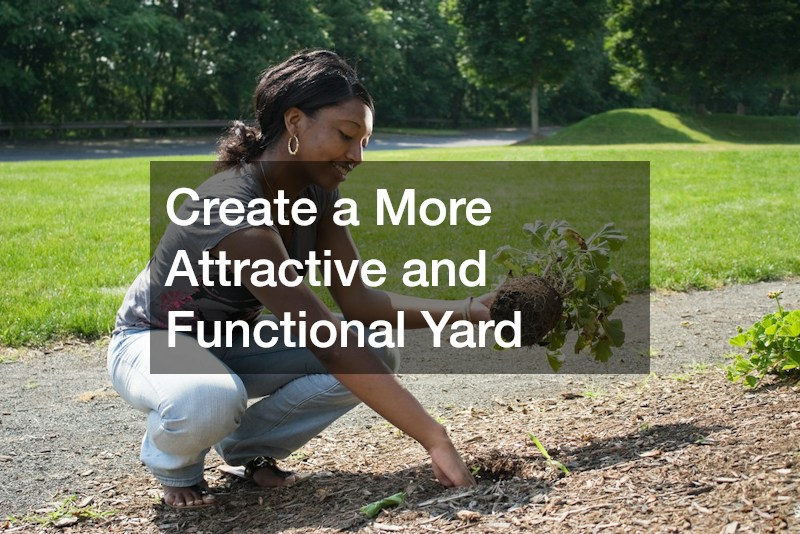
Landscaping can bring together many of the individual elements of an outdoor space. Plants, trees, ground cover, decorative features, pathways, and other improvements can be arranged to create areas that serve specific purposes while contributing to the property’s appearance.
A landscaping contractor can help homeowners consider how different features will work together. Instead of choosing plants or materials one project at a time, a broader plan can account for the property’s size, sunlight, drainage, existing vegetation, and desired uses.
Landscaping can also help define outdoor living areas. Plantings can provide visual separation around patios or seating areas, while pathways can connect different parts of the yard. Trees and shrubs can add height and texture, while lower plants can fill spaces closer to the ground.
When planning landscape improvements, maintenance should remain part of the conversation. Plants have different watering, pruning, sunlight, and seasonal requirements. Selecting options that fit the property’s conditions can make the landscape easier to maintain over time.
Keep Your Lawn Healthy Through Every Season
A healthy lawn can provide a simple foundation for other outdoor improvements. Even attractive fences, trees, gardens, and hardscaping can lose some of their visual impact when the surrounding grass is neglected.
Lawn care involves more than mowing. Depending on the property’s needs, maintenance may include edging, fertilization, weed management, aeration, watering, seasonal cleanup, and other tasks. Consistent attention can help the lawn maintain a more even and cared-for appearance.
Lawn care services can be especially useful for homeowners who have limited time for routine maintenance. Regular service can help prevent basic lawn tasks from accumulating until they become a major project.
The needs of a lawn also change throughout the year. Grass may require different care during periods of active growth, heat, drought, or cooler weather. Seasonal maintenance can help address those changing conditions while keeping the yard looking presentable.
A well-maintained lawn can also make other outdoor features stand out. Clean edges around walkways, healthy grass near planting beds, and neatly maintained areas around fences can give the entire property a more polished appearance.
Add Structure and Support to Sloped Areas
Sloped properties can present both design opportunities and maintenance challenges. Water can move quickly across an incline, soil can shift, and certain areas may be difficult to plant or use effectively. Structural landscaping features can help homeowners make better use of these spaces.
A retaining wall can divide a sloped yard into more manageable levels while creating additional areas for planting or other outdoor uses. Retaining walls can also serve as visual features that add shape and definition to a landscape.
The design needs to account for the specific conditions of the property. Drainage, soil, slope, wall height, materials, and surrounding structures can all affect how a retaining wall should be planned and built.
Material selection can also influence the appearance of the finished project. Natural stone, concrete products, brick, and other materials can create different styles. Choosing a material that complements existing walkways, patios, fencing, or the home’s exterior can make the wall feel like part of the overall design.
A properly planned retaining wall can provide both function and visual interest, turning a difficult slope into a more structured part of the yard.
Highlight Your Yard After the Sun Goes Down
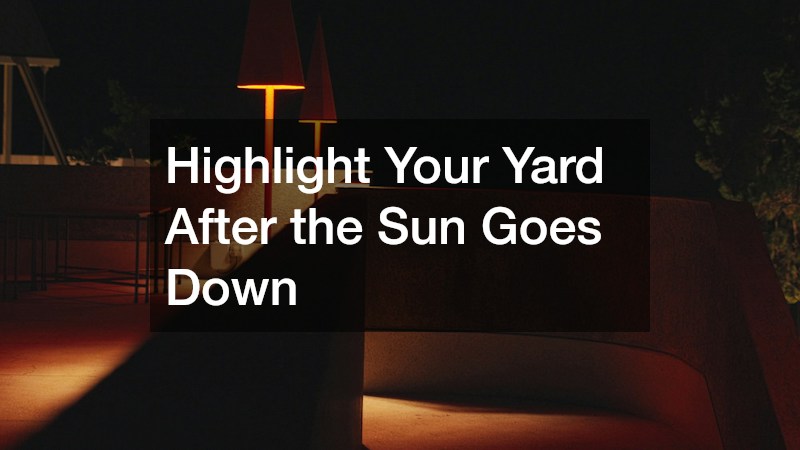
Outdoor lighting can extend the visual appeal and usability of a yard beyond daylight hours. Lighting can highlight architectural features, trees, planting beds, pathways, patios, and other areas that might otherwise disappear after dark.
Strategically placed fixtures can also help define movement through an outdoor space. Pathway lighting can make walkways easier to identify, while lighting near steps and entrances can provide additional visibility. Accent lighting can draw attention to trees, walls, gardens, or other features homeowners want to emphasize.
The goal is not necessarily to make every part of the yard equally bright. A thoughtful lighting plan can use different levels of illumination to create depth and draw attention to specific features.
Outdoor lighting should also complement the home’s existing style. Fixtures that coordinate with the architecture, fencing, landscaping, and other outdoor elements can create a cohesive appearance.
With careful placement, lighting can transform the way a yard looks in the evening. Features that are subtle during the day can become focal points at night, giving the property another opportunity to make a strong impression.
Your yard is an extension of your home, so improvements should reflect how you want to use and enjoy the property. A well-defined boundary can add privacy and structure, while attractive landscaping can create a welcoming environment around outdoor living areas. Trees, lawns, walls, gates, and lighting can each serve a practical purpose while contributing to the property’s overall appearance.
Whether you are updating one part of your yard or considering several improvements at once, thoughtful planning can help the finished space feel cohesive. A combination of practical maintenance and attractive outdoor features can create a property that looks inviting, functions well, and gives your household more reasons to spend time outside.