Choosing the right siding for your home is one of the most critical decisions you will make as a homeowner. Siding does far more than just give your home curb appeal; it serves as the primary protective envelope against wind, rain, snow, and extreme temperature fluctuations. Selecting the right material directly impacts your home’s energy efficiency, maintenance demands, overall resale value, and structural longevity. With a wide variety of options available on the market today, evaluating materials can quickly become overwhelming. This ultimate guide breaks down the pros and cons of every major siding type so you can make an informed decision for your property.
Vinyl Siding
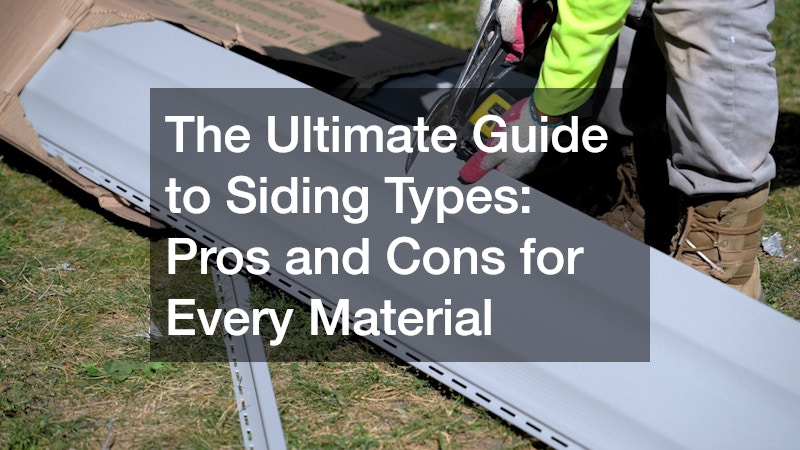
Vinyl siding remains the most popular exterior cladding choice across North America, and for good reason. Manufactured primarily from polyvinyl chloride (PVC), vinyl is extremely versatile, lightweight, and cost-effective. It comes in a vast array of colors, textures, and profiles, including traditional horizontal lap, vertical board and batten, and simulated shingles.
The primary advantage of vinyl siding is its affordability and low maintenance requirements. Unlike wood, vinyl never needs to be painted or stained. Cleaning usually requires nothing more than an annual washdown with a garden hose and mild detergent. However, vinyl does have its drawbacks. It can become brittle in extreme cold and may crack if impacted by hail or heavy debris. Additionally, improperly installed vinyl can warp or buckle when expanding in hot weather. When planning an installation project, working with experienced siding contractors ensures that the panels are properly hung with the correct tolerance for thermal expansion, preventing future warping.
Fiber Cement Siding
Fiber cement has grown rapidly in popularity over the last two decades. Made from a blend of sand, cement, and cellulose fibers, this composite material offers extraordinary durability paired with a remarkably convincing natural wood appearance. It can be manufactured to mimic wood planks, shingles, or smooth modern panels.
The pros of fiber cement are impressive. It is completely fire-resistant, rot-proof, and impervious to termites and other wood-boring pests. It holds paint significantly longer than real wood and can withstand severe weather conditions, including hurricane-force winds. The primary cons are weight and cost. Fiber cement is exceptionally heavy, requiring specialized tools and techniques for handling. Because of the technical skill required for precise cutting and moisture sealing during installation, hiring certified siding contractors is essential to maintain the manufacturer’s warranty and ensure long-term performance.
Wood Siding
For timeless charm, classic beauty, and authentic texture, natural wood siding remains the gold standard. Available in species such as cedar, redwood, pine, and fir, wood siding offers unmatched natural warmth and classic architectural character. It can be finished with clear stains, semi-transparent finishes, or solid paint colors.
Wood is an eco-friendly, renewable resource that provides excellent natural insulation. It is also relatively easy to repair in localized sections if damage occurs. However, the major downside to wood siding is its high maintenance requirement. Real wood must be refinished or repainted every three to seven years to prevent moisture intrusion, rot, mold, and insect infestations. Without diligent upkeep, wood siding can degrade quickly, making it one of the most labor-intensive choices available.
Metal Siding (Aluminum and Steel)
Metal siding, available in both aluminum and seamless steel, is a durable alternative that fits both modern and traditional architectural styles. Modern factory coatings allow metal siding to replicate wood grain or present sleek, contemporary matte finishes.
The standout advantage of metal siding is its resistance to fire, rot, and pest damage. Steel siding is particularly tough, holding up against severe hail and harsh winter conditions without cracking. Metal is also light and recyclable, making it an environmentally conscious choice. On the downside, aluminum can dent relatively easily from stray baseballs or heavy hail, while steel can be susceptible to rust if the protective topcoat is scratched down to raw metal. Furthermore, metal can conduct heat and cold, requiring proper underlying insulation to ensure thermal efficiency.
Stucco Siding
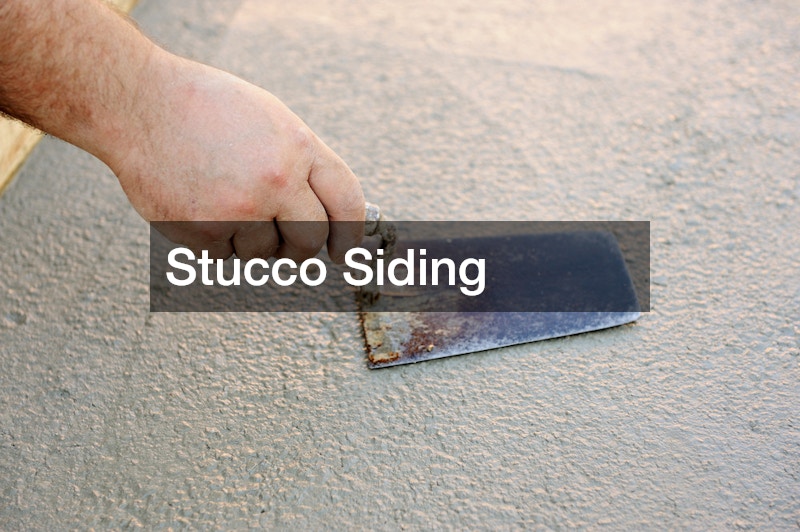
Common in Southwestern, Mediterranean, and Spanish-style architecture, stucco is a traditional material made from Portland cement, sand, lime, and water. It is applied in multiple coats over a wire lath base to create a seamless, textured surface.
Stucco offers outstanding fire resistance, excellent sound dampening, and high thermal mass, helping to keep home interiors cool during hot summer days. When properly maintained, stucco can last for over a century. However, stucco is prone to cracking as a house settles or during seismic activity. It is also not well-suited for extremely wet climates, as trapped moisture can cause internal rot. Professional application is crucial, and homeowners routinely consult skilled siding contractors to inspect moisture barriers and re-apply seals to protect the underlying structure.
Brick and Stone Veneer
Masonry cladding, including real brick, natural stone, and manufactured stone veneer, offers legendary durability and unmatched classic aesthetics. Modern stone veneers provide the look of heavy masonry at a fraction of the weight and structural requirements.
The primary benefit of brick and stone is that they are virtually maintenance-free, highly weather-resistant, non-combustible, and provide superior noise isolation. They also tend to yield the highest return on investment in terms of home resale value. The major drawback is up-front cost; masonry materials and skilled labor are among the most expensive options on the market. Proper water management and weep holes are critical to prevent moisture from trapping behind the veneer.
Selecting the perfect siding material involves balancing your budget, maintenance tolerance, regional climate, and design preferences. Vinyl offers maximum cost efficiency, fiber cement delivers unmatched balanced durability, wood brings classic beauty, metal provides rugged resistance, stucco suits warm climates, and brick or stone offers timeless luxury. By carefully weighing these pros and cons, you can confidently choose a material that protects your investment and elevates your home’s exterior for decades to come.