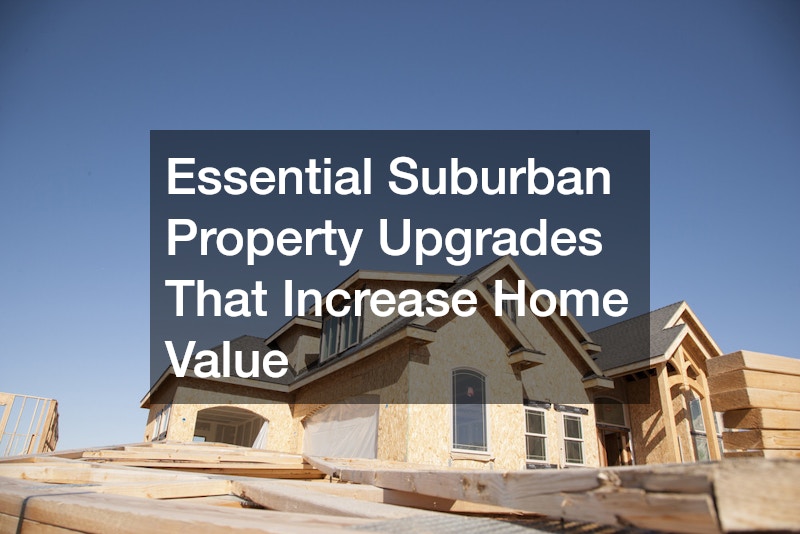
Suburban homeownership has undergone a massive shift over the past several years. No longer is home value strictly measured by raw square footage or basic bedroom counts. Modern buyers look at suburban properties through a holistic lens: they evaluate energy efficiency, outdoor living capability, long-term structural integrity, and the flexibility of secondary spaces. Whether your goal is to maximize your equity for a sale in the near future or simply to build a more comfortable, resilient environment for your family, strategic property upgrades offer exceptional returns when planned thoughtfully.
Navigating home improvements on a suburban property requires balancing high-yield interior modernizations with large-scale exterior maintenance. Suburban lots typically come with unique assets—and unique challenges—ranging from expansive lawns and auxiliary structures to independent subsurface utilities. Taking a proactive approach to these elements prevents costly emergency repairs while positioning your property at the top tier of your local real estate market.
This comprehensive guide breaks down the essential high-ROI upgrades every suburban homeowner should consider. By approaching your property as an interconnected system—combining interior style, exterior envelope protection, land management, and site logistics—you can execute renovations that protect your investment and dramatically boost overall resale value.
Modernizing Key Interior Spaces for High Return

The interior of a suburban home sets the emotional tone for prospective buyers and dictates the daily comfort of its occupants. When prioritizing interior work, focus heavily on rooms that offer the highest functional returns: the kitchen, primary living areas, and flexible work zones. Rather than chasing fleeting design trends, lean into timeless layouts, high-durability materials, and clean organizational systems that appeal to a wide audience.
Upgrading High-Traffic Rooms with Timeless Layouts and Premium Finishes
The kitchen remains the undisputed heart of the home, and it continues to generate some of the highest returns on investment in suburban real estate. Complete gut renovations are not always necessary to achieve a high-end feel; often, targeted updates deliver superior financial yields.
- Focus on Storage & Elevation: Storage capability is top-of-mind for suburban families. Upgrading or refacing kitchen cabinets can instantly transform a dated space without the expense of re-framing walls. Selecting neutral paint tones, soft-close hardware, and full-extension drawers provides an elevated, custom look that stands out in listing photos.
- Surface Durability: Replace worn laminate or tiled surfaces with non-porous quartz or durable granite. Neutral stone surfaces hold up against daily wear and tear while offering universal aesthetic appeal.
- Lighting Infrastructure: Install multi-layered lighting schemes. Combine under-cabinet LED task lights with statement pendant lights over central islands to create depth and warmth.
- Ergonomic Flow: Ensure the work triangle between the sink, refrigerator, and cooking surface remains open and unobstructed to make high-volume meal preparation effortless.
Investing in storage solutions extends beyond the kitchen. High-end built-ins around fireplaces, custom closet inserts in the primary suite, and organized mudroom cubbies address the daily operational needs of suburban living. Storage efficiency makes a home feel larger and more organized than its actual footprint might suggest.
Adapting Residential Spaces for Hybrid Work and High Efficiency
The demand for dedicated, professional-grade home offices has transitioned from a temporary trend into a permanent expectation. Suburban homes offer the physical space needed to create distraction-free work environments, provided those spaces are outfitted correctly.
When converting spare bedrooms, basements, or bonus rooms into functional workspaces, homeowners benefit from looking toward practices used in commercial remodeling. Integrating sound-dampening insulation inside interior walls, upgrading electrical sub-panels to support heavy tech loads, and running dedicated Ethernet drops create a reliable base for remote executives.
Furthermore, durable flooring solutions—such as commercial-grade luxury vinyl plank or high-traffic carpet tiles—ensure that rolling desk chairs and heavy equipment won’t degrade the room over time. Extending these commercial-grade construction techniques to residential spaces adds a layer of build quality that savvy buyers notice immediately during walk-throughs.
Maximizing Exterior Comfort, Privacy, and Energy Efficiency
A home’s exterior envelope dictates its overall thermal efficiency and monthly operating costs. In the suburbs, where houses often feature multi-story glass facades and extensive square footage, heat transfer can severely strain HVAC systems. Balancing climate control with interior comfort is critical to maintaining low utility overhead.
Protecting Interiors from Sun Damage While Lowering Utility Bills
Large double-hung or picture windows bring natural light into suburban floor plans, but unmanaged solar heat gain can drive cooling costs through the roof during peak summer months. Additionally, ultraviolet radiation damages expensive hardwood floors, custom drapery, and upholstered furniture over time.
- Solar Heat Reduction: Installing residential window tinting across sun-drenched elevations cuts down solar heat gain significantly, allowing your air conditioning system to operate efficiently without constant cycling.
- UV Protection: Advanced architectural films block up to 99% of harmful UV rays, preserving your interior finishes and artwork without sacrificing natural daylight.
- Privacy Enhancement: Dual-reflective films offer daytime privacy from nearby neighbors or street traffic, providing clear views from the inside while creating a subtle mirror effect on the exterior.
- Glare Control: Tinting mitigates harsh glare on television screens and computer monitors in home offices and family rooms, improving daily living conditions.
Modern window treatments and architectural films act as an invisible barrier, boosting energy ratings and keeping indoor ambient temperatures stable across all seasons.
Optimizing Suburban Heating Systems for Winter Reliability
While summer requires heat defense, winter demands efficient thermal production. Suburban homes in colder climates often rely on robust, high-output heating infrastructure to keep expansive floor plans warm.
If your property utilizes heating oil for its furnace or boiler system, keeping up with regular tank inspections and burner maintenance is vital for both safety and cost management. Modern high-efficiency oil burners burn fuel far more cleanly than older models, translating directly to lower seasonal fuel consumption.
Homeowners should inspect fuel delivery lines, ensure storage tanks are free of rust or internal condensation, and install smart programmable thermostats calibrated specifically for hydronic or forced-air systems. Proper seasonal servicing prevents unexpected breakdowns during extreme freeze events, giving prospective buyers complete confidence in the home’s mechanical reliability.
Securing and Strengthening the Home’s Outer Shell
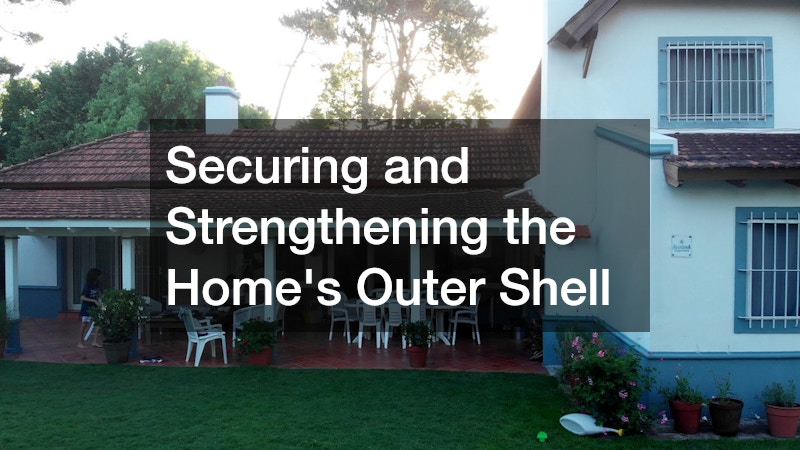
Your roof is your home’s primary defense against rain, snow, wind, and hail. In suburban neighborhoods, a roof’s condition is one of the very first things appraisers, inspectors, and potential buyers examine. A well-maintained roof preserves structural framing, prevents attic mold growth, and preserves interior finishes.
Inspecting and Upgrading Overhead Protection to Prevent Water Damage
Roofing systems degrade gradually over time due to thermal expansion, UV exposure, and weather impacts. Identifying minor issues early prevents minor leaks from turning into catastrophic structural failures.
- Shingle Integrity: Inspect your roof lines regularly for curling, cracked, or missing shingles, as well as heavy granule accumulation in your rain gutters.
- Flashing and Seals: The vast majority of roof leaks occur around architectural penetrations. Check the metal flashing around chimneys, skylights, plumbing vents, and roof valleys.
- Attic Ventilation: Ensure soffit and ridge vents are clear of obstructions. Proper attic airflow regulates temperature and moisture levels, preventing ice dams in the winter and shingle baking in the summer.
- Gutter Systems: Keep seamless gutters free of debris and ensure downspouts divert water at least five to six feet away from your home’s foundation walls.
When it comes time for replacement, working with an experienced roofer ensures that proper underlayment, ice-and-water shields, and ventilation components are installed according to manufacturer specifications, securing maximum warranty coverage.
Partnering with Certified Tradespeople for Long-Term Guarantees
Major structural work is not the place for DIY experimentation. Contracting overhead upgrades out to qualified professionals protects your financial investment and ensures compliance with local municipal building codes.
Hiring a licensed, insured local roofing contractor provides access to regional expertise that out-of-town operations simply cannot match. Regional contractors understand local microclimates, typical wind loads, and specific permitting requirements in your municipality.
Furthermore, a local specialist provides accessible, long-term warranty support should minor repairs or storm inspections be needed down the road. Keeping an organized paper trail of professional roof inspections, permit sign-offs, and transferable material warranties serves as a powerful selling tool during real estate transactions.
Revitalizing Outbuildings and Suburban Lot Potential
One of the greatest advantages of suburban homeownership is extra land area. Detached garages, historic outbuildings, and sprawling yards offer immense potential to increase total usable square footage and overall property appeal.
Preserving Character and Transforming Outbuildings into Functional Spaces
Suburban lots frequently feature auxiliary structures such as detached garages, sheds, or legacy agricultural buildings. Leaving these structures to deteriorate hurts curb appeal, whereas restoring them adds unique functional space that commands a premium.
- Structural Stabilization: Priority must be given to foundational integrity, replacing rotted sill plates, framing timber repairs, and ensuring absolute weather-tightness.
- Historical Preservation: Undertaking a barn restoration project allows homeowners to retain rich architectural character—such as exposed timber posts and weathered wood siding—while updating the core frame to modern structural standards.
- Utility Upgrades: Bringing sub-panels, LED lighting, and running water into outbuildings expands their utility dramatically.
- Flexible Usage: Restored outbuildings can be repurposed as secondary vehicle storage, high-end woodworking workshops, artist studios, or private fitness centers.
Transforming a neglected outbuilding into a clean, safe, and usable space effectively increases your usable living and storage footprint without altering the primary residence.
Establishing Lush, Resilient Lawns Across Large Acreage Lots Efficiently
Curb appeal begins at the street curb. A patchy, weed-infested, or severely eroded lawn immediately drops a buyer’s perception of a property’s overall maintenance standards. However, establishing healthy turf over half an acre or more using conventional sod can be cost-prohibitive.
For large suburban yards, hydroseeding offers an incredibly efficient, cost-effective method to establish thick, uniform grass. This process sprays a slurry of seed, mulch, fertilizer, and soil conditioners directly onto prepared earth, binding the seed to the soil and retaining essential moisture for rapid germination.
Hydroseeding is particularly effective for stabilizing sloped areas, repairing lawn damage after major excavation work, or establishing a fresh lawn across expanded property boundaries. Combined with an automated underground irrigation system, professionally hydroseeded lawns establish strong root networks that resist summer droughts and heavy foot traffic.
Managing Subsurface Utilities and On-Site Job Logistics
While visual aesthetic upgrades capture attention, background utility infrastructure keeps a property operational. In semi-rural and suburban areas without municipal sewer hookups, subsurface management and construction organization are paramount.
Maintaining Underground Infrastructure to Prevent Unexpected Inspection Surprises
An off-grid wastewater management system is one of the most critical mechanical components of a suburban home. System failures lead to health hazards, expensive excavation work, and immediate home sale cancellations.
- Regular Pumping Schedules: Waste tanks should be inspected and pumped every three to five years depending on household size and usage demand to prevent solid sludge from reaching the absorption fields.
- Professional Inspections: Top-tier septic companies evaluate tank baffles, verify effluent filter cleanliness, perform drop tests, and monitor absorption field drainage to ensure proper system performance.
- Drain Field Protection: Keep heavy vehicles, built structures, and deep-rooting trees far away from your drain field lines to prevent pipe crushing or root intrusion.
- System Usage Care: Avoid flushing non-biodegradable items, harsh industrial chemicals, or excessive cooking greases that disrupt the biological balance inside the tank.
Documenting routine professional maintenance demonstrates responsible property management, giving buyers peace of mind regarding the health of unseen mechanical assets.
Ensuring Smooth Site Execution During Extensive Multi-Week Projects
Major property overhauls involve multiple trade crews, heavy machinery, and continuous foot traffic. Without proper project logistics, large-scale upgrades can damage existing landscaping or turn your living space into a chaotic construction zone.
Contracting out temporary site sanitation facilities keeps work crews comfortable while protecting your indoor living spaces. Securing clean porta potty rentals for multi-week exterior projects—such as roof replacements, barn conversions, or extensive landscaping—prevents contractors from constantly walking through your home.
Strategic Upgrades Deliver Long-Term Dividends
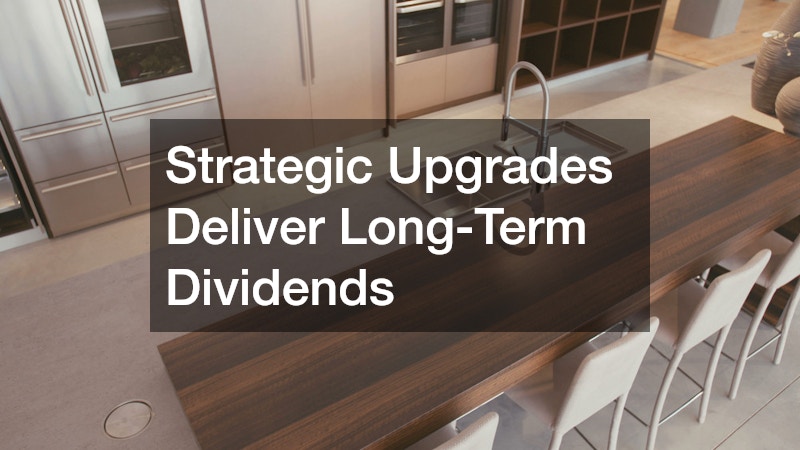
Enhancing the value of a suburban home requires a balanced strategy that pairs interior visual appeal with uncompromised structural performance and land stewardship. Upgrades that target energy efficiency, utility health, and flexible living space build equity faster than surface-level cosmetic fixes alone.
By systematically evaluating your property—from your roofline and outbuildings down to your heating systems, windows, and lawn infrastructure—you build a resilient home that stands out in any market environment. Investing in professional trade expertise, maintaining thorough service records, and selecting durable, timeless materials ensures that every dollar spent yields high returns in daily comfort, lower utility overhead, and substantial long-term financial growth.