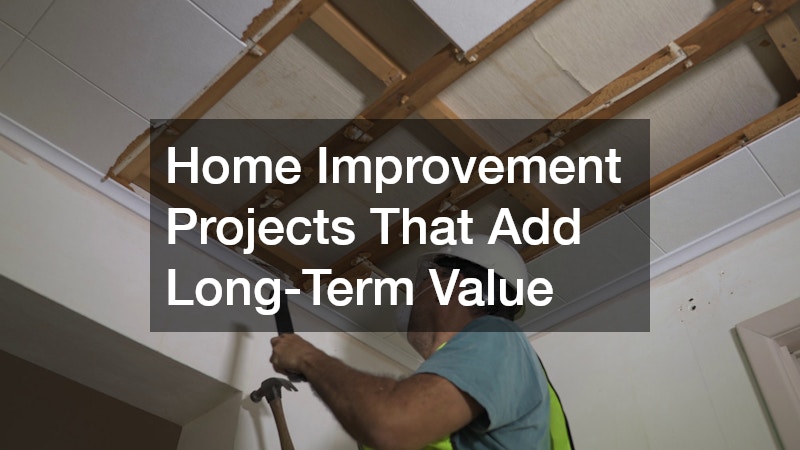
- Prioritize repairs and maintenance that address safety concerns, active damage, and essential home systems before cosmetic upgrades.
- Improve frequently used interior spaces through better lighting, storage, flooring, wall finishes, and furniture updates.
- Keep plumbing, drainage, heating, cooling, and wastewater systems properly maintained to prevent expensive problems later.
- Upgrade kitchens and bathrooms with practical fixtures, better storage, improved lighting, and durable finishes.
- Maintain outdoor areas by caring for landscaping, trees, pathways, lighting, and drainage to improve safety and usability.
- Consider efficiency-focused updates such as improved lighting, insulation, draft sealing, ventilation, and water-saving fixtures.
- Plan projects according to the home’s needs, available budget, maintenance requirements, and long-term priorities rather than attempting everything at once.
Improving a home does not always require a major renovation or a large budget. Many worthwhile projects can make everyday spaces more comfortable, functional, attractive, and easier to maintain. From refreshing tired interiors to improving outdoor areas, homeowners have plenty of options when deciding where to invest their time and money. The key is to focus on projects that address real needs while complementing the home’s existing design. Some improvements provide an immediate visual transformation, while others work quietly in the background by improving efficiency, durability, or safety. With thoughtful planning, even modest changes can create a noticeable difference throughout the property.
Which Home Improvement Projects Should You Start With?
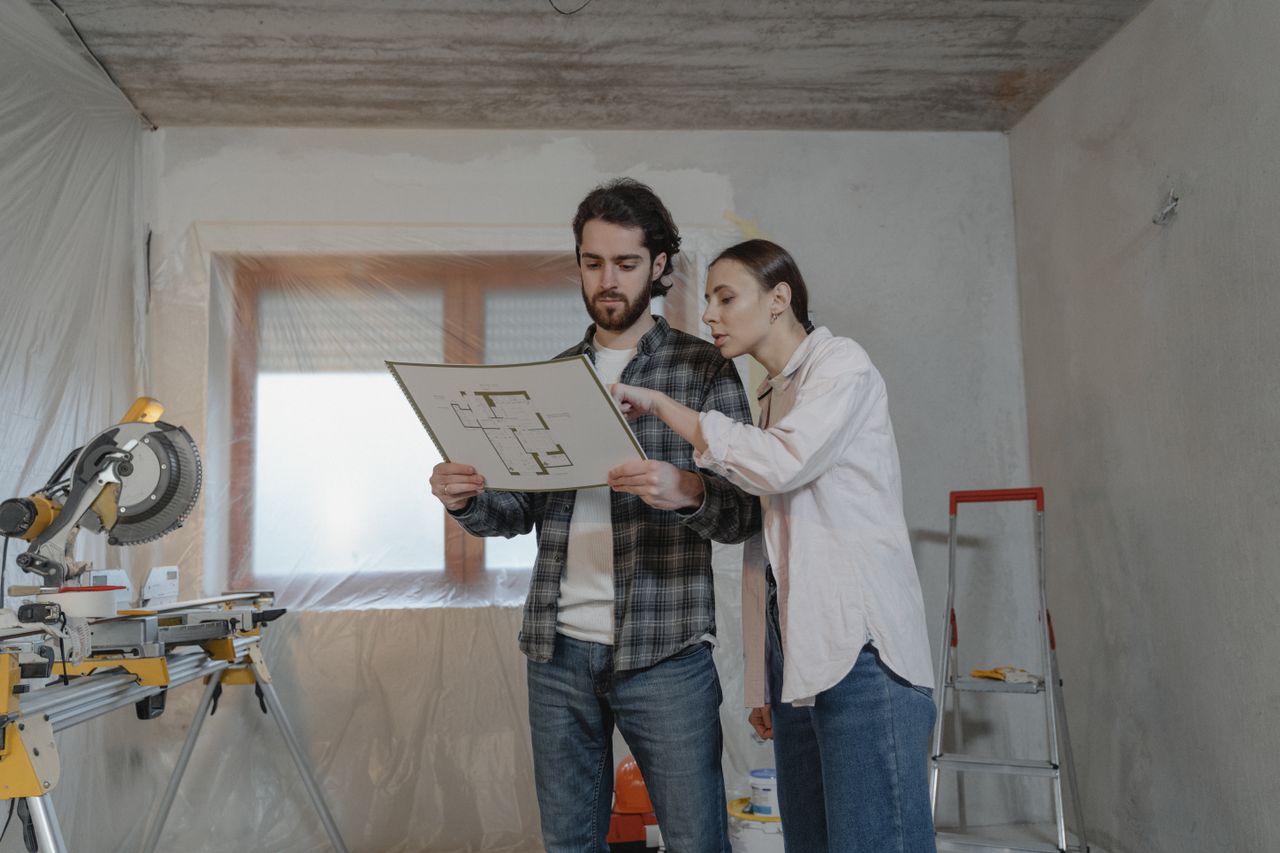
Before choosing a project, it helps to look at the home as a whole rather than immediately focusing on cosmetic changes. Walk through each room and make note of areas that look worn, function poorly, or require frequent maintenance. Consider whether a project solves an existing problem or simply adds another feature that may require future upkeep. Prioritizing practical needs can help homeowners make better use of their available budget.
A useful starting point is to divide potential projects into categories such as comfort, appearance, maintenance, efficiency, and functionality. This makes it easier to determine which improvements deserve attention first. Projects that address water damage, electrical concerns, plumbing problems, or deteriorating materials should generally receive attention before purely decorative changes.
Other factors worth considering include:
- Current condition: Determine whether an area needs repair, replacement, or simply a cosmetic refresh.
- Daily usefulness: Give priority to improvements that make frequently used spaces easier or more comfortable to use.
- Long-term maintenance: Consider how much additional cleaning, servicing, or upkeep the project will require.
- Budget: Establish a realistic spending limit before purchasing materials or hiring professionals.
- Overall design: Choose updates that work with the existing style of the house instead of creating disconnected spaces.
Starting with a clear assessment prevents homeowners from jumping between unrelated projects and helps create a more organized improvement plan.
How Can You Refresh Your Interior Spaces?
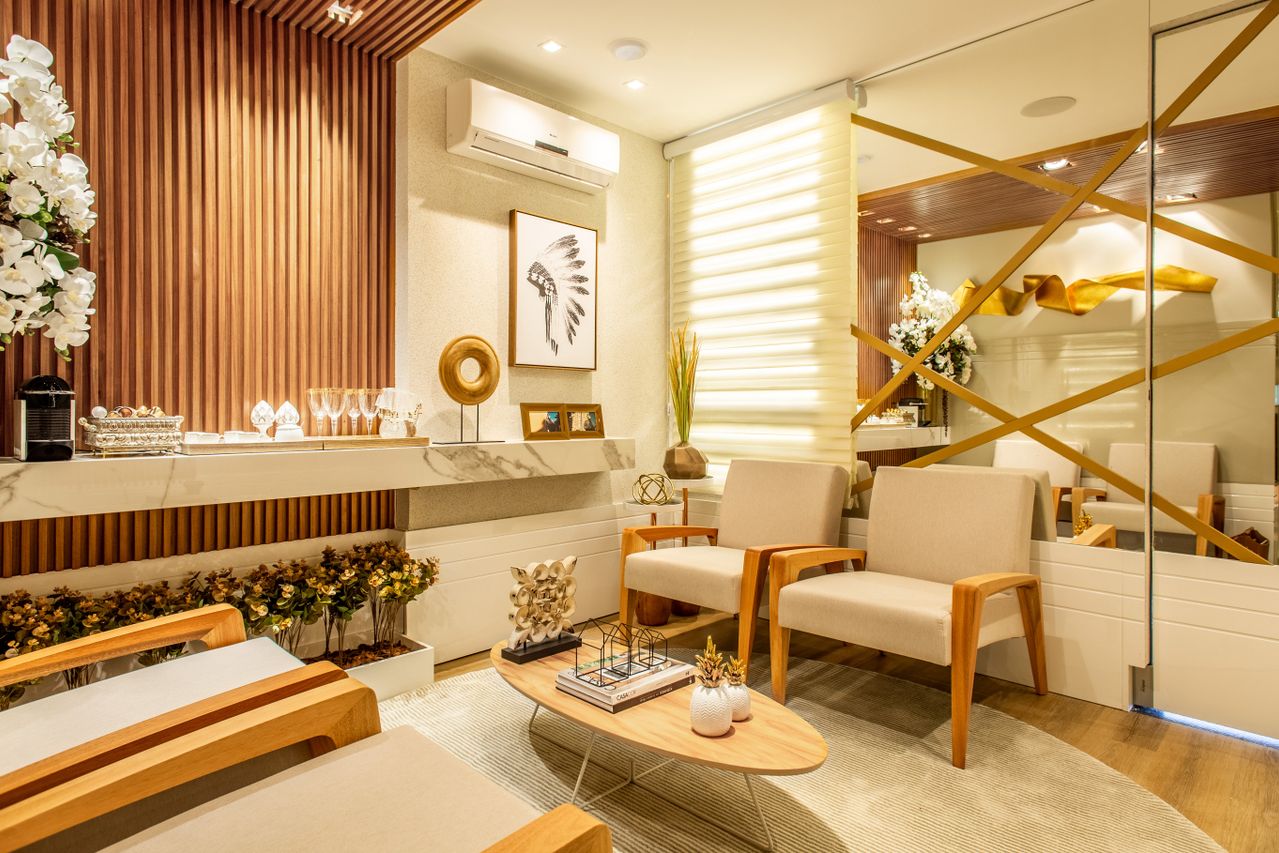
Interior improvements can change how a home feels without requiring structural alterations. Rooms that appear dated or cluttered may benefit from relatively simple changes involving surfaces, lighting, storage, furniture, or layout. Because homeowners spend so much time inside their properties, improvements to interior spaces can have an immediate impact on everyday comfort.
One practical approach is to identify the elements that make a room appear tired. Faded walls, worn flooring, outdated fixtures, and poorly positioned furniture can all affect the overall appearance. Addressing these details individually can gradually transform a space without requiring a complete renovation.
Consider these interior project ideas:
- Refresh the walls: A new paint color can make a room feel brighter, cleaner, or more contemporary. Neutral shades can provide flexibility, while carefully selected accent colors can add character.
- Update lighting: Replacing outdated light fixtures or adding task and accent lighting can improve both functionality and atmosphere.
- Improve flooring: Worn flooring can make an otherwise attractive room look neglected. Durable modern materials can provide a fresh appearance while simplifying maintenance.
- Upgrade storage: Shelving, cabinets, organizers, and built-in storage can reduce clutter and make better use of available space.
- Rearrange furniture: Sometimes a different layout can improve movement and make a room feel more spacious without purchasing anything new.
- Refresh furnishings: Reupholstering or repairing selected furniture pieces can give them a renewed appearance while avoiding unnecessary replacement.
When planning interior updates, focus on creating consistency between rooms. Improvements do not have to look identical, but using complementary materials, finishes, and colors can help the entire home feel more cohesive.
What Improvements Can Make Everyday Maintenance Easier?
Some of the most useful projects are not necessarily the most visually dramatic. Maintenance-focused improvements can help homeowners prevent minor problems from becoming expensive repairs. Plumbing, drainage, fixtures, heating and cooling equipment, waste systems, and other essential components require regular attention to continue working properly.
A well-planned household improvement project can combine maintenance with practical upgrades. For example, replacing an inefficient fixture while addressing an existing plumbing concern can improve daily convenience while reducing the likelihood of future problems. The goal is to look beyond surface appearance and consider how each part of the property performs over time.
Several projects can make routine maintenance more manageable:
- Address plumbing problems early: Slow drains, leaks, unusual water pressure, or recurring blockages should not be ignored. Small issues can become more disruptive when left unresolved.
- Replace worn fixtures: Old faucets, toilets, shower fixtures, and similar components may be less efficient or more difficult to maintain than newer alternatives.
- Inspect drainage systems: Proper drainage helps protect walls, foundations, landscaping, and other parts of the property from excess water.
- Maintain heating and cooling equipment: Regular inspections and servicing can help systems operate reliably and identify developing problems.
- Check wastewater systems: Homes with septic systems need appropriate inspection, pumping, and maintenance schedules.
- Repair damaged surfaces: Cracked flooring, deteriorating trim, damaged walls, and other defects can worsen if they are repeatedly overlooked.
Professional assistance can be valuable for projects involving specialized equipment or systems. Homeowners should avoid treating complex maintenance as a purely cosmetic project when improper work could create additional damage.
How Can You Improve the Kitchen and Bathroom?
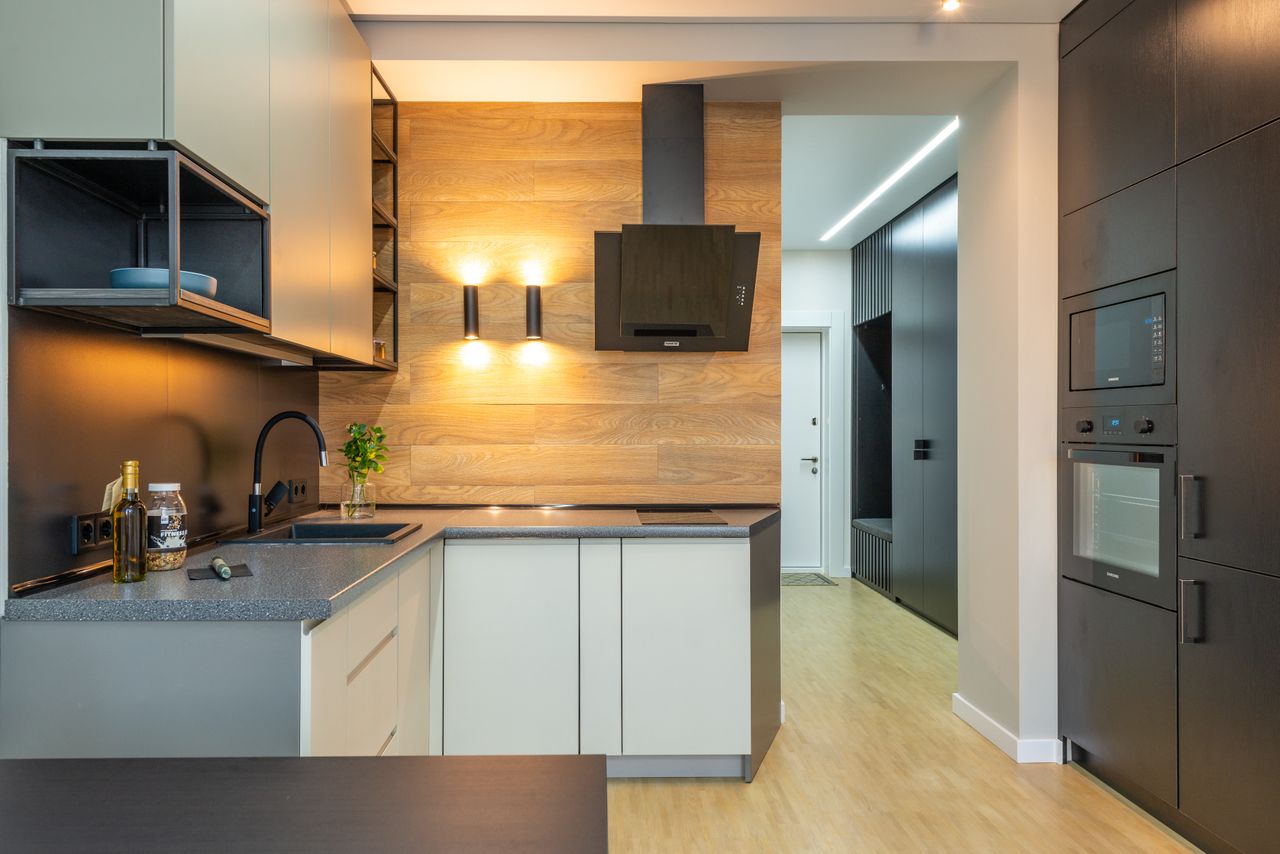
Kitchens and bathrooms often receive considerable attention because they are heavily used spaces. However, improving them does not necessarily mean removing everything and starting from scratch. Targeted updates can improve functionality and appearance while allowing homeowners to preserve components that are still in good condition.
In the kitchen, improvements can focus on organization, lighting, surfaces, fixtures, and convenience. Replacing cabinet hardware, improving task lighting, updating a faucet, or creating more effective storage can change the way the room functions without requiring a complete remodel. If cabinets are structurally sound, repainting or refinishing them may also provide a substantial visual refresh.
Bathrooms offer similar opportunities. Updated fixtures, better lighting, improved storage, fresh finishes, and carefully selected accessories can make the room feel cleaner and more comfortable. Addressing leaks, poor ventilation, damaged caulking, or deteriorating surfaces should take priority over purely decorative changes.
Potential projects include:
- Replace outdated faucets and fixtures to improve appearance and everyday usability.
- Improve lighting with a combination of general, task, and mirror lighting.
- Add practical storage to keep frequently used items organized and accessible.
- Refresh cabinet surfaces rather than replacing cabinets that remain structurally sound.
- Update worn surfaces where damage or deterioration affects appearance and maintenance.
- Improve ventilation to help manage moisture and reduce problems associated with excessive humidity.
The most successful kitchen and bathroom improvements balance appearance with practicality. Choosing durable materials and easy-to-maintain finishes can make the investment useful for years rather than providing only a short-lived visual change.
What Outdoor Projects Can Transform Your Property?
The exterior of a home is an important part of its overall appearance and functionality. Outdoor improvement projects can make entrances more welcoming, create more usable areas, improve safety, and help protect the property from environmental conditions. Even relatively small changes can make neglected outdoor spaces look more intentional and maintained.
Begin by assessing the condition of pathways, landscaping, trees, exterior surfaces, lighting, and outdoor living areas. Safety should be a major consideration. Damaged walkways, unstable branches, poor drainage, or deteriorating structures can create unnecessary risks and should be addressed before decorative projects.
Homeowners can consider several outdoor improvements:
- Refresh landscaping: Trimming overgrown plants, adding appropriate vegetation, and maintaining garden beds can improve the appearance of the property.
- Maintain trees: Regular inspection and professional trimming can help manage branches that threaten roofs, structures, or utility lines.
- Improve pathways: Repairing cracks and uneven surfaces can make outdoor areas safer and more accessible.
- Add outdoor lighting: Well-positioned lighting can improve visibility around entrances, pathways, patios, and other frequently used areas.
- Create functional outdoor spaces: A seating area, patio, or simple entertainment zone can make previously underused areas more useful.
- Improve drainage: Proper water management can help prevent standing water and protect landscaping and structures.
Outdoor projects should be selected according to the home’s climate, available space, and maintenance requirements. A beautiful landscape that requires constant attention may not be practical for every household. Low-maintenance materials and plants can provide a better balance between appearance and long-term care.
Which Upgrades Can Improve Efficiency and Comfort?
Energy efficiency is another useful area to consider when planning improvements. Homes can lose comfort and efficiency through outdated fixtures, inadequate insulation, inefficient lighting, or equipment that requires excessive energy to operate. Addressing these areas can make rooms more comfortable while potentially reducing ongoing household expenses.
Homeowners should first identify where efficiency problems occur rather than purchasing upgrades simply because they are marketed as energy-saving products. A professional assessment can sometimes identify areas where improvements would be most useful. In other situations, straightforward observations—such as rooms that are consistently uncomfortable or fixtures that consume excessive water—can help determine priorities.
Potential efficiency-focused projects include:
- Upgrade lighting: Energy-efficient lighting can reduce consumption while providing better illumination.
- Replace inefficient fixtures: Modern water-saving faucets, showerheads, and toilets can reduce unnecessary water use.
- Improve insulation: Appropriate insulation can help maintain more consistent indoor temperatures.
- Seal drafts: Gaps around doors and windows can contribute to unwanted heat transfer and uncomfortable rooms.
- Improve ventilation: Proper airflow can help manage indoor moisture and improve overall comfort.
- Consider efficient appliances: When older appliances reach the end of their useful lives, replacing them with efficient alternatives can improve performance.
Comfort should remain part of the decision-making process. An improvement that saves energy but makes a room less convenient may not provide the best overall result. The strongest projects combine efficiency with usability, durability, and appropriate maintenance.
How Can Flooring and Furniture Improve a Home?
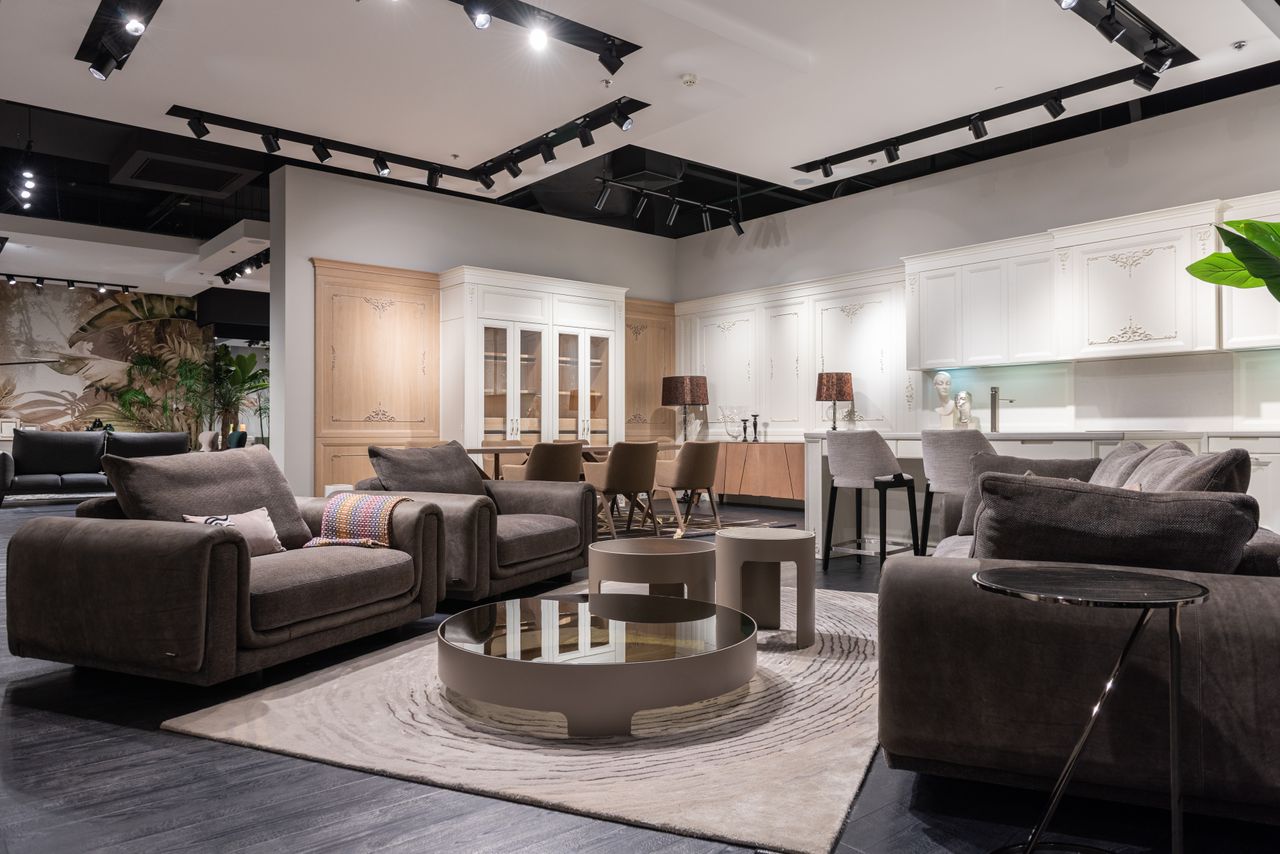
Flooring and furniture are sometimes treated as secondary considerations, but both have a strong influence on how a home looks and functions. Floors experience constant traffic, while furniture affects comfort, organization, and the visual character of each room. Updating these elements can provide a noticeable refresh without changing the basic structure of the property.
Flooring should be selected according to the demands of each space. High-traffic areas may require materials that resist wear, while moisture-prone rooms need surfaces capable of handling their environment. Garages, basements, living areas, bedrooms, and kitchens may all require different characteristics.
Furniture does not always need to be replaced. Existing pieces can sometimes be repaired, refinished, rearranged, or reupholstered. This approach can preserve useful furniture while giving a room a different appearance.
Useful projects include:
- Replace heavily worn flooring when repairs are no longer practical.
- Choose durable materials appropriate for the room’s traffic and moisture conditions.
- Refinish suitable surfaces to extend the useful life of existing flooring or furniture.
- Reupholster quality furniture when the structure remains sound but the fabric looks outdated.
- Reorganize furniture layouts to improve movement and make better use of available space.
- Coordinate materials and colors so new additions complement existing features.
The objective is not necessarily to make everything look brand new. A thoughtful combination of repairs, updates, and replacements can create a home that feels refreshed while avoiding unnecessary spending.
How Should You Plan Your Next Home Improvement Project?
Once you have identified several possible improvements, the next step is deciding how to approach them. A long list of projects can quickly become overwhelming if there is no clear order of priority. Instead of attempting everything at once, homeowners can divide projects into immediate needs, short-term upgrades, and longer-term improvements.
Start with projects that address safety, active damage, or essential system problems. Water leaks, structural concerns, hazardous trees, plumbing failures, and other urgent issues should take precedence over cosmetic changes. Once those needs are under control, attention can shift toward improvements that increase comfort, efficiency, organization, or visual appeal.
Before beginning a project, consider:
- What problem does this project solve?
- What materials and labor will it require?
- Will professional assistance be necessary?
- How much ongoing maintenance will it create?
- How will it affect other areas of the home?
- Can the project be completed in stages?
Creating a realistic schedule can also make larger improvements easier to manage. For example, a homeowner might address plumbing and maintenance concerns first, refresh interior surfaces next, and then move toward landscaping or outdoor improvements.
The most effective home improvement strategy is not necessarily the one involving the largest number of projects. It is the one that addresses genuine needs, respects the available budget, and produces lasting improvements in comfort, functionality, safety, and appearance.
Conclusion
Home improvement is an ongoing process rather than a single event. A property can benefit from many different types of projects, ranging from essential maintenance and plumbing work to flooring, furniture, landscaping, lighting, and efficiency upgrades. The right choices depend on the home’s current condition, the homeowner’s priorities, available resources, and long-term plans.
Small improvements can be surprisingly meaningful when they solve practical problems or make frequently used spaces easier to enjoy. By evaluating each project carefully, choosing durable solutions, and addressing maintenance needs before they become emergencies, homeowners can create a property that remains comfortable, functional, attractive, and easier to care for over time.